
Medically Verified & Evidence-Based | Authored by Dr. Sumaiya Petiwala, RD, BUMS, CDE (Registered Clinical Dietitian & Metabolic Health Specialist) | Aligned with ICMR-NIN & ADA Standards | Last Updated: October 2026
Every year brings a trendy new diet promising fast weight loss. From butter coffee on Keto to raw salads on Vegan plans, it is easy to feel confused. In an Indian home, extreme diets often lead to cravings, fatigue, and sudden rebound weight gain.
Which Diet Works Best for Sustainable Health in India?
Direct Clinical Answer: While restrictive diets produce fast short-term weight loss, they rarely fit Indian lifestyles long-term. The most sustainable clinical strategy is a customized 50/25/25 Indian plate. It balances home sabzi, protein-dense dal or paneer, and measured complex grains. Dr. Sumaiya’s clinical recommendation: choose a balanced plan matching your blood markers and family kitchen.

To pick the right path, you must understand how your body reacts when you drastically cut entire food groups.
Everyday Metaphors: How Restrictive Diets Affect Your Body
Before jumping into any diet trend, let us look at what happens behind the scenes:
The Insulin Key: Think of insulin like a key that unlocks your muscle cells to let sugar in for clean fuel. When you cut carbs completely on Keto, insulin levels drop fast. But if you have underlying insulin resistance (when muscle and liver cells stop responding to insulin), the moment you eat normal roti again, your body produces massive insulin spikes. That sudden surge packs extra calories straight into visceral fat (deep belly fat surrounding internal organs).
The Liver Storage Warehouse: Your liver is your main fuel warehouse. Eating huge amounts of cheese, butter, and processed oils on an unguided Keto diet overloads this warehouse with saturated fat. This can worsen fatty liver (fat accumulation inside your liver cells) and drive up dangerous cholesterol particles.
The Gut Garden: Your gut is like an internal garden. Trillions of good bacteria thrive on prebiotic (fermentable dietary fiber that feeds beneficial gut microbes) fibers from whole pulses, onions, oats, and vegetables. When you eliminate these foods, your gut flora starve. This triggers chronic inflammation (painful cellular swelling and immune irritation), bloating, and sluggish digestion.
Popular Diets Compared: Clinical Pros, Cons & Indian Kitchen Reality
Here is how the most common diet trends compare for Indian adults:
| Diet Name | Core Principle | Clinical Pros | Indian Kitchen Challenges | Doctor’s Verdict |
|---|---|---|---|---|
| Ketogenic (Keto) | 70% Fat, 25% Protein, under 5% Carbs | Fast initial weight drop and appetite control | Hard for vegetarians; cuts dal and roti; raises LDL cholesterol | Good for short resets. Poor for long-term health |
| Paleo Diet | Meat, fish, nuts, fruits; no grains or legumes | Cuts ultra-processed foods and refined sugar | Bans all dals, rajma, and chana; very costly in India | Bans fiber-rich staples without clear medical need |
| Vegan Diet | 100% plant foods; zero dairy, eggs, or meat | Rich in plant fiber, lower saturated fat | Removing curd and paneer without protein swaps causes fatigue | Healthy only with daily B12, vitamin D, and plant protein |
| Doctor-Guided Indian Plate | 50% Sabzi/Salad, 25% Protein, 25% Whole Grains | Reverses insulin resistance and preserves lean muscle | Requires portion control and proper food order | Gold Standard: Fits family meals and lasting health |
The 50/25/25 Indian Plate Method: Eat Well Without Starving
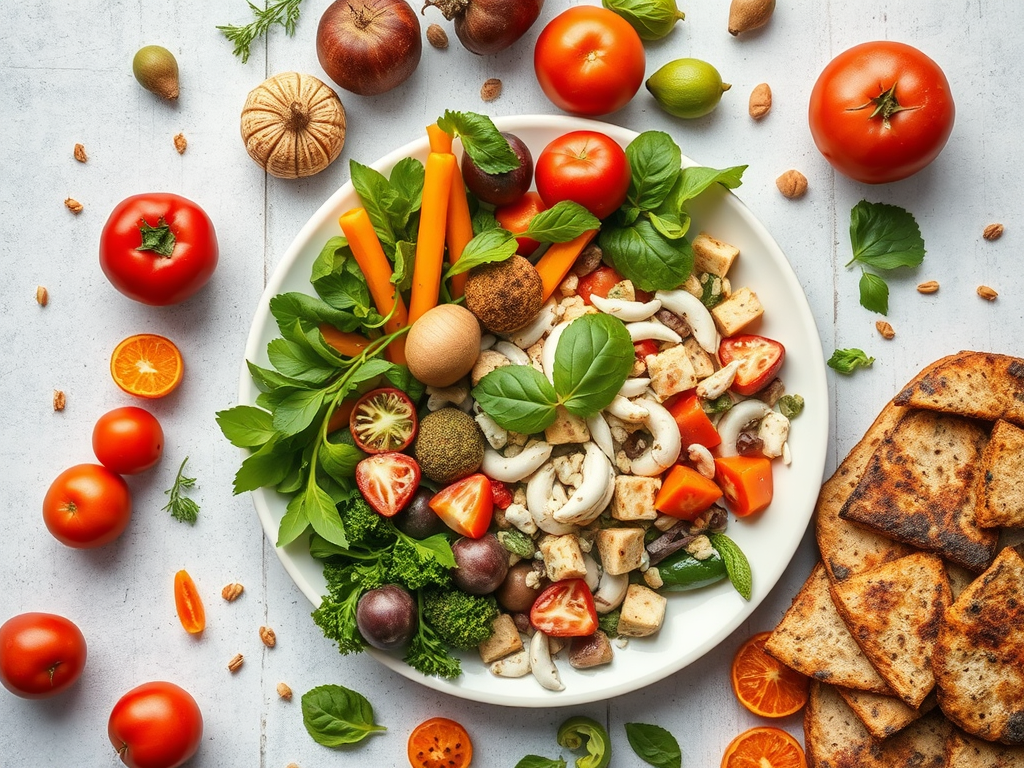
You do not need to give up home cooking to burn fat and balance blood sugar. Use this simple meal framework at lunch and dinner:
- 50% Fiber-Rich Vegetables: Cooked seasonal sabzi like bhindi, methi, palak, or lauki, paired with a fresh katori of cucumber and tomato salad. High fiber creates a gentle gel that slows down sugar absorption.
- 25% High-Quality Protein: Thick dal (split moong, chana, or toor), fresh paneer, boiled eggs, sprouted pulses, tofu, or lean chicken. Protein keeps you full for hours and prevents muscle wasting.
- 25% Complex Carbohydrates: One or two phulkas made from whole wheat or khapli atta, or a measured bowl of steamed brown rice.
The Golden Eating Sequence: Eat your salad and sabzi first. Eat your protein dal or paneer second. Eat your roti or rice last. This sequence slows stomach emptying and cuts post-meal glucose spikes by over 30%.
Confused by Fad Diets? Get a Personalized Clinical Meal Plan
No single internet diet works for everyone. Your genetics, daily schedule, and metabolic blood markers are unique. In our specialized clinical consultations, Dr. Sumaiya designs a sustainable home nutrition protocol tailored to your family kitchen.
- Comprehensive Biomarker Audit: Checking your thyroid (the neck gland regulating metabolic speed), fasting insulin (a morning blood test measuring baseline insulin levels), HbA1c (a simple 3-month blood sugar average test), triglycerides (the main type of fat circulating in your blood from excess calories), and lipid ratios.
- Root-Cause Metabolic Mapping: Identifying insulin resistance, fatty liver, gut dysbiosis, or micronutrient gaps.
- Tailored Indian Nutrition Plan: 100% customized home meal charts with weekly clinical progress check-ins.
In-Clinic at Frazer Town, Bengaluru & Telehealth Pan-India / Globally | WhatsApp: +91 7208660987
Essential Lab Markers to Track Before Starting Any Diet
Before changing what you eat, check these vital laboratory baseline numbers:
- Fasting insulin and HbA1c: Confirms how well your cells process carbohydrates and rules out prediabetes.
- Lipid Profile and ApoB (a blood marker measuring the total number of plaque-causing cholesterol particles): Crucial if you are considering high-fat diets like Keto, which can cause ApoB to spike dangerously.
- Serum Uric Acid (a chemical byproduct that can crystalize in joints): Extreme low-carb and high-meat diets can elevate uric acid, triggering painful joint gout.
- Thyroid Panel – TSH (a hormone test evaluating thyroid gland activity): Severe calorie restriction down-regulates thyroid hormones, slowing your metabolism.
- Vitamin B12 and Ferritin: Essential to check on vegan or vegetarian diets to prevent anemia and nerve fatigue.
Smart Indian Kitchen Swaps for Long-Term Success
Small daily upgrades beat extreme restrictions every time:
- Swap Refined Rava for Broken Wheat (Dalia) or Rolled Oats: Keeps your morning breakfast blood sugar flat and steady.
- Swap Packaged Juices for Spiced Chaas (Buttermilk): Delivers live probiotics and minerals without sugar spikes.
- Pair White Rice with Equal Thick Dal and Raw Cucumber: Balances glycemic index (a measure of how quickly a food raises blood sugar) without giving up your comforting home food.
- Swap Fried Namkeen for Roasted Makhana or Boiled Chana: Satisfies evening snack cravings with clean fiber and minerals.