Five clinical words appear below, so let me define them once. Collagen (the protein that keeps skin firm and springy) thins with age and sun. Hemoglobin (the oxygen-carrying protein in your blood) falls when iron runs low. An antioxidant (a compound that protects your cells from damage) is what vitamins C and E act as. Inflammation (swelling and irritation inside the body) is what allergies trigger around your eyes. The thyroid (the small gland in your neck that sets your energy pace) also plays a part.
🩺 Quick Clinical Answer: What Actually Fixes Dark Circles?
Dark circles fade when you treat what feeds them. The usual drivers are low iron, poor sleep, dehydration, allergies, sun damage, and thin under-eye skin. Eat iron-rich foods with vitamin C, drink water through the day, sleep seven to nine hours, and use sunscreen daily. Diet-driven shadows typically soften within eight to twelve weeks.
What This Guide Covers
- What causes dark circles
- The nutrient shortlist
- Anemia and your eyes
- Stress, sleep and screens
- A simple daily routine
- Melatonin: what it can and cannot do
- Crying and puffiness
- When to see a doctor
- Frequently asked questions
- References
What Causes Dark Circles?
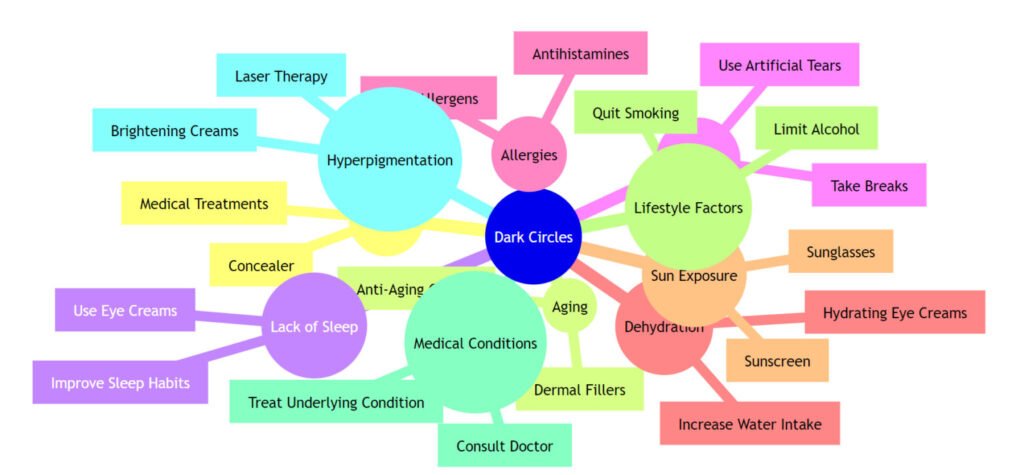
Dark circles are not one problem. They are several, and each needs a different fix. Doctors split them into two types: shadows from visible blood vessels, and true pigment, called periorbital hyperpigmentation (the medical name for brown darkening of the skin around the eyes). The fix depends on which type you have.
Vessel-type shadows: the blue or purple look
- Thin skin. The skin under your eyes is the thinnest on your body. Blood vessels sit close to the surface, so anything that widens them shows right through.
- Poor sleep. Researchers photographed people after two nights of bad sleep. Strangers rated them as more tired, with darker eye areas and redder eyes (Sleep, 2013).
- Dehydration. When you drink too little, skin looks dull and slightly sunken. That hollow look deepens shadows.
- Genetics and face shape. Deep-set eyes and family history matter. If your parents had under-eye shadows, your baseline risk is higher.
- Anemia. Low iron lowers hemoglobin, so skin pales first where it is thinnest, which is around the eyes.
Pigment-type darkness: the brown look
- Sun exposure. Ultraviolet rays push pigment cells to make extra melanin. Daily sun protection is the single most useful habit here.
- Allergies and rubbing. Nasal allergies cause puffiness and itching. Years of rubbing thicken and darken thin skin through inflammation. Treat the allergy and the shadow eases.
- Aging. Skin loses collagen and fat with time, so vessels show more.
- Smoking and alcohol. Both worsen the look. Smoking cuts blood flow to the skin. Alcohol dries it and wrecks sleep quality.
The Nutrient Shortlist
No single food erases dark circles. But four shortages show up again and again in my clinic. Fix these first, and give it eight to twelve weeks.
Vitamin C: the pigment shield
Your skin uses vitamin C to build collagen and to block pigment-making enzymes. It also shields skin from sun-driven damage. Amla, guava, oranges, lemon, bell peppers, and broccoli are rich sources. One amla in the morning covers most of a day’s need.
Iron: for the pale, washed-out look
Iron builds hemoglobin. When it falls, skin pales and vessels stand out. Good sources include dal, spinach, methi, chana, ragi, dates, and lean meats if you eat them. Plant iron absorbs far better when you add lemon or amla to the plate. Keep tea and coffee an hour away from meals, because they block uptake. I cover the full absorption playbook in my guide to simple tips to enhance dietary iron absorption.
Vitamin K: for strong vessels
Vitamin K helps blood clot and supports vessel walls. Greens such as spinach, methi, cabbage, and broccoli supply it. A bowl of cooked greens at lunch or dinner is enough.
Omega-3 fats: for supple skin
Omega-3 fats keep thin skin soft and calm inflammation. Flaxseeds, walnuts, chia, and fatty fish like sardines and mackerel are good sources. Vegetarians can grind flaxseed over curd or poha. The skin under your eyes is dry by nature, and this fat helps it hold water.
Water and salt balance
Aim for about two litres of water a day, counting chaas, soups, and fruit. Cucumber, watermelon, and oranges help. Cut extra salt at dinner, because salty meals make eyes puffy by morning.
| Nutrient | Best Indian sources | What it does for your eyes |
|---|---|---|
| Vitamin C | Amla, guava, citrus, bell peppers | Builds collagen; slows pigment |
| Iron | Dal, spinach, chana, ragi, dates | Restores colour when anemia is the cause |
| Vitamin K | Spinach, methi, cabbage, broccoli | Supports vessel walls |
| Omega-3 fats | Flaxseed, walnut, chia, sardines | Keeps thin skin supple |
| Water | Two litres plus chaas and fruit | Stops the dull, sunken look |
Anemia and Your Eyes
If your shadows look pale rather than brown, ask for two simple blood tests: hemoglobin and ferritin (your iron storage number). Iron-deficiency anemia is the most common deficiency in Indian women, and the under-eye area is often the first place it shows. Food fixes it when the gap is small. Tablets are for tested gaps only.
Iron comes in two forms. Heme iron comes from meat, fish, and egg, and absorbs well. Non-heme iron comes from plants such as dal, greens, and ragi, and absorbs poorly unless you help it. Three habits do most of the work:
- Pair plant iron with vitamin C. Squeeze lemon over dal and palak, and add amla to breakfast.
- Keep tea and coffee one hour away from meals. Their tannins block iron uptake.
- Soak and sprout dals and beans. Soaking lowers the blockers naturally.
Never start iron tablets on your own. Excess iron is genuinely harmful, and the right dose depends on your report. If food alone cannot close the gap, a clinician will prescribe a tested dose and recheck your levels. For a deeper read, see factors that increase and decrease iron uptake.
Stress, Sleep and Screens
Stress works through three routes. It wrecks sleep, it raises cortisol (the main stress hormone), and it pushes you toward skipped meals and extra caffeine. Cortisol thins skin and breaks down collagen, so shadows deepen. Screen strain makes the vessels around your eyes widen.
What helps:
- A fixed sleep window of seven to nine hours, with screens off forty-five minutes before bed. For the food side of sleep, see my guide to eating for better sleep.
- A short evening walk or yoga session. Movement lowers stress hormones better than willpower does.
- Regular meals with enough vegetables and protein, because stressed brains reach for sugar and skip real food.
A Simple Daily Routine
You do not need a ten-step ritual. This one takes minutes:
- Morning: sunscreen on the under-eye area too, SPF 30 or higher, even indoors near windows.
- Breakfast: curd with ground flaxseed and fruit, or vegetable poha with lemon.
- Mid-morning snack: a swap worth making — roasted chana or a fruit instead of biscuits.
- Lunch: dal, sabzi, roti, and a big salad with lemon. Skip the chai right after.
- Dinner: two hours before bed, low on salt, with a cooked green most days.
- Bedtime: a cool compress or chilled cucumber for two minutes if eyes look puffy, then lights out at the same time daily.
Melatonin: What It Can and Cannot Do
Melatonin (your natural sleep hormone) tablets can reset a broken sleep rhythm, and better sleep can soften shadows. But melatonin is not a dark-circle treatment. It interacts with several medicines, and it does nothing for pigment or anemia. Use it only on professional advice, alongside food and routine changes, never instead of them.
Crying and Puffiness
A good cry leaves marks for two reasons. Vessels around the eyes widen, and rubbing irritates thin skin. Repeat that often and the irritation can darken into true pigment. Pat dry instead of rubbing, use a cool compress, and drink water. If crying is frequent, treat the cause, not the symptom.
When to See a Doctor
See a clinician if dark circles appear suddenly, affect one side only, or come with tiredness, breathlessness, or heavy periods. Brown pigment that refuses to fade despite sun protection may need dermatology support, such as peels, laser, or fillers. Blood tests come first. Creams come second.
For skin concerns more broadly, start with nutrition for skin and hair.
Not Sure What Is Causing Your Dark Circles?
Shadows have many drivers: iron, sleep, allergies, thyroid, and plain genetics. At Dr. Sumaiya NutriCare Clinic we test your markers first, then build a food-first plan around the actual cause.
- Comprehensive Blood & Biomarker Audit (blood sugar, iron stores, thyroid and liver panel)
- Root-Cause Assessment with Diet Recall and Sleep History
- 100% Customised Indian Meal Protocol with Continuous Weekly Monitoring
In-Clinic at Frazer Town, Bengaluru & Telehealth Pan-India / Globally | Call/WhatsApp: +91 7208660987
Frequently Asked Questions
References
- Pullar JM, Carr AC, Vissers MCM. The Roles of Vitamin C in Skin Health. Nutrients. 2017;9(8):866. PMID 28805671
- Rath S, Khan A, Singh A, Khan M, Khan H, Halim SA. Treatments in Periorbital Hyperpigmentation: A Systematic Review and Single-Arm Meta-Analysis of Clinical Trials. 2025. PMID 40384140
- Camaschella C. Iron-Deficiency Anemia. N Engl J Med. 2015;372(19):1832-1843. PMID 25946282
- Sundelin T, Lekander M, Kecklund G, et al. Cues of Fatigue: Effects of Sleep Deprivation on Facial Appearance. Sleep. 2013;36(9):1355-1360. PMID 23997369
- Indian Council of Medical Research – National Institute of Nutrition. Recommended Dietary Allowances for Indians. Hyderabad: NIN.