
10 Nutrient-Dense Indian Foods to Ease Perimenopause: Clinical Guide
The best perimenopause foods are flaxseeds, edamame, and methi seeds. They gently buffer shifting estrogen levels. Adding moringa, ragi, pumpkin seeds, and homemade curd soothes hot flashes, defends bone density, curbs belly fat, and brings deep sleep.
The Hormonal Transition: What Happens During Perimenopause?
Perimenopause marks the natural reproductive shift before menopause. It often begins in women between ages 38 and 45. During this time, estrogen and progesterone levels rise and fall without warning.
These hormone swings trigger hot flashes, night sweats, brain fog, and mood changes. As estrogen drops, your metabolic burn slows down. The body starts packing extra calories as visceral fat (internal organ belly fat).
This hormonal shift often sparks insulin resistance (where cells do not absorb glucose well). Without enough estrogen, your body pumps out higher fasting insulin (the morning blood hormone that controls fat storage). This sudden hormone surge makes weight loss tough.
At the same time, daily blood sugar spikes raise HbA1c (average blood sugar over three months). This process sparks systemic inflammation (tissue swelling and immune irritation). It also strains your thyroid (the butterfly neck gland controlling metabolism). Over time, these issues can lead to metabolic syndrome (a cluster of belly fat, high blood sugar, and high blood pressure).
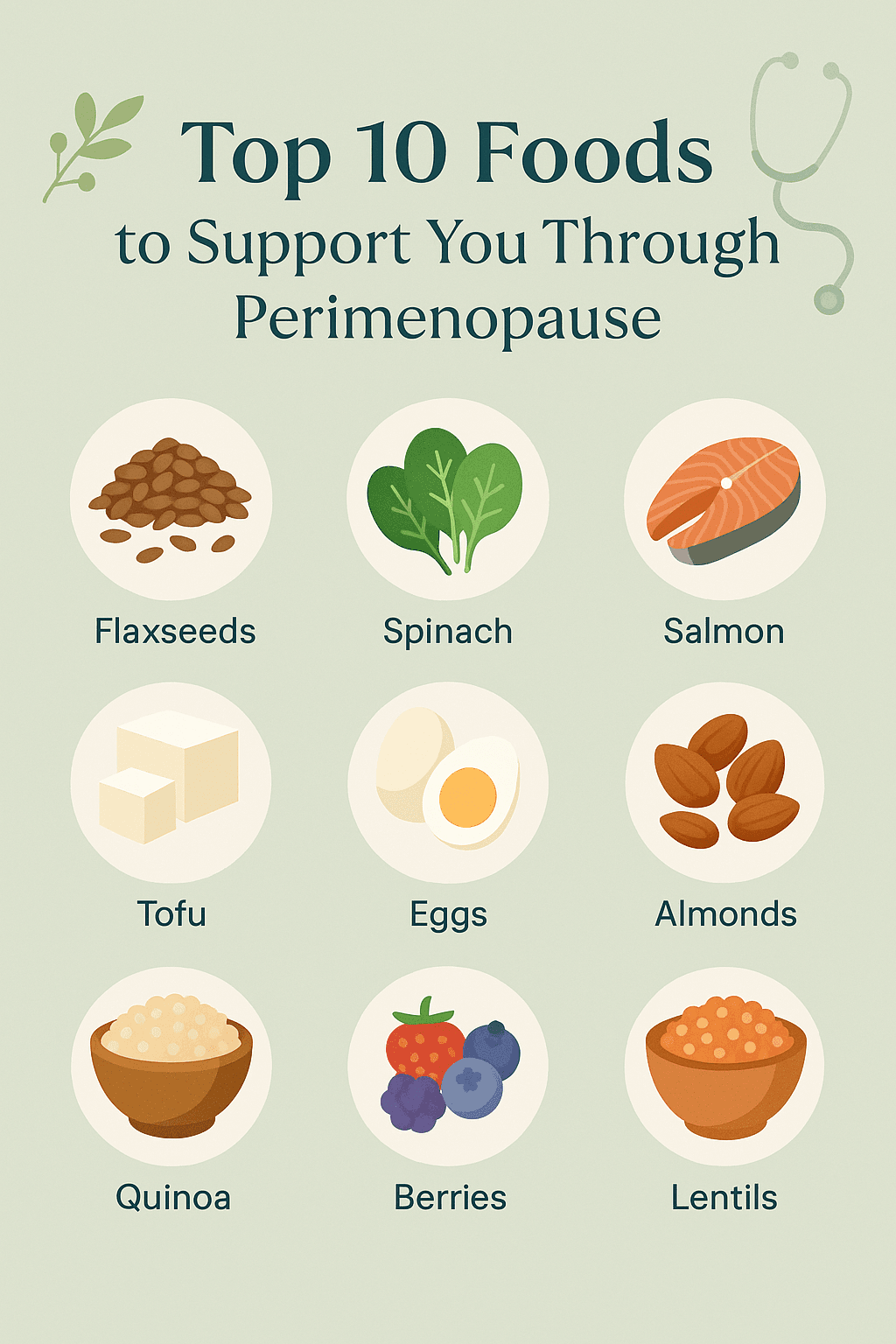
Top 10 Nutrient-Dense Indian Foods for Perimenopause
Targeted medical nutrition therapy helps balance these hormone swings naturally:
- Flaxseeds (Alsi): Ground flaxseeds offer the richest source of plant lignans. Lignans bind gently to estrogen gates. They help soften sudden hormone highs and lows. Take one tablespoon of freshly ground flaxseeds each day.
- Fermented Tofu and Edamame: Traditional soy foods offer natural isoflavones. These plant helpers reduce hot flashes and night sweats. They also support healthy blood vessels.
- Methi Seeds: Methi seeds hold natural plant compounds that steady your blood sugar. Soak one teaspoon of methi seeds in water overnight. Drink the water in the morning to calm glucose spikes.
- Drumstick Leaves (Moringa): Moringa leaves are full of natural calcium, iron, and minerals. They protect your bones and fight daytime fatigue.
- Finger Millet (Ragi): Ragi is an Indian super grain packed with over 340 mg of calcium per 100 grams. It protects bone density and gives slow-burning energy.
- Pumpkin Seeds: Rich in zinc, magnesium, and healthy oils, pumpkin seeds support restful sleep. They help your brain produce serotonin, which calms evening anxiety.
- Sprouted Green Moong: Sprouting doubles the vitamin content of pulses. Sprouted moong gives clean, easy-to-digest protein that protects muscle tone.
- Soaked Walnuts and Almonds: Nuts supply healthy fats and vitamin E. These nutrients nourish brain cells, fight memory lapses, and hydrate dry skin.
- Traditional Chaas (Buttermilk): Homemade curd provides probiotic (beneficial live gut bacteria) cultures. These helpful bacteria balance your gut and prevent abdominal bloating.
- Sesame Seeds (Til): Sesame seeds offer rich reserves of calcium, copper, and plant lignans. They lubricate joints and keep bones dense.
Clinical Food Pairing Guide for Perimenopause Relief
Use this food chart to match daily Indian kitchen foods with your symptoms:
| Food Ingredient | Targeted Symptom | Key Nutrient | Body Action | Doctor’s Daily Serving |
|---|---|---|---|---|
| Ground Flaxseeds | Hot flashes & night sweats | Plant Lignans | Buffers shifting estrogen gates | 1 tablespoon ground in warm curd |
| Ragi Roti | Bone loss & tired muscles | High Calcium & Fiber | Builds strong bone matrix | 1 to 2 rotis for lunch with dal |
| Moringa Leaves | Joint aches & low energy | Iron & Magnesium | Lowers joint tissue stress | 1 cup cooked leaves 3x weekly |
| Pumpkin Seeds | Broken sleep & anxiety | Zinc & Tryptophan | Supports natural sleep melatonin | 1 tablespoon roasted seeds at 5 PM |
| Homemade Chaas | Belly bloating & gas | Live Gut Flora | Cleanses excess spent hormones | 1 glass tempered with jeera post-lunch |
Navigating Perimenopause Weight Gain or Hot Flashes?
Crash diets and extreme cardio spike stress hormones, speeding up belly fat gain. Dr. Sumaiya provides personalized clinical nutrition to balance your hormones and restore calm energy.
- Full Hormone and Blood Audit (Estrogen, Thyroid, HbA1c, Fasting Insulin)
- Root-Cause Mapping (Finding hot flash triggers and gut imbalances)
- Custom Indian Home Food Protocol with Smart Phytoestrogen Timing
In-Clinic in Frazer Town, Bengaluru & Telehealth Pan-India & Globally | WhatsApp: +91 7208660987
The 50/25/25 Indian Plate Rule for Hormonal Balance
To manage your weight and keep blood sugar steady throughout the day, shape each plate with this rule:
- 50% Green and Fibrous Veggies: Fill half your plate with bhindi, lauki, sautéed methi, capsicum, and cabbage. High fiber binds to spent hormones and sweeps them out of the body.
- 25% Clean Protein: One quarter of your plate holds good protein. Choose sprouted green moong, tofu, paneer, boiled eggs, or grilled fish. Good protein stops muscle loss and keeps you full.
- 25% Whole Grains: The final quarter contains unpolished rice, ragi roti, or bajra roti. These grains digest slowly, preventing sudden sugar surges that trigger hot flashes.
The Golden Eating Sequence for Hormonal Steadiness
Eating your food in this sequence keeps your after-meal blood sugar steady:
- Step 1: Eat your fresh green salad or cooked vegetables first. The fiber slows stomach emptying.
- Step 2: Eat your protein portion next. This step prompts digestive enzymes and fullness signals.
- Step 3: Eat your whole grain roti or rice last. This order stops quick insulin spikes.
Request Your Personalized Perimenopause Nutrition Protocol
Take control of your hormonal transition with a doctor-guided Indian nutrition plan tailored specifically to your body.
🌟 Transform Your Health Today
Takes only 60 seconds to get personalized clinical insights.
"Lost 4kgs in one month... plans are simple and effective! She
responds to queries promptly."
– Payal J.