

Smart Tips for Healthy Eating of Sacrificial Meat in Eidul Adha.
By Dr Sumaiya Petiwala, Doctor & Registered Dietitian – Dr Sumaiya NutriCare Clinic, Bengaluru
Eid ul-Adha is a beautiful time of devotion, and feasting. The Sunnah of offering Qurbani (sacrifice) is an act of deep spiritual meaning, and sharing the meat is a cherished tradition. However, the celebration often leads to overindulgence in red meat, fried foods, and sweets — which may lead to digestive issues, weight gain, or exacerbate underlying health conditions.
Here are evidence-based tips to enjoy your Eid meals mindfully, especially the Qurbani meat, without compromising your health:
🌙 1. Follow the Sunnah of Moderation
The Prophet Muhammad ﷺ said:
“The son of Adam does not fill any vessel worse than his stomach. It is sufficient for the son of Adam to eat a few mouthfuls to keep him going…” (Tirmidhi)
✅ Practice portion control. One palm-sized portion of meat (about 90–100g cooked) per meal is usually adequate.
🥩 2. Choose Lean Cuts of Meat
While mutton/beef are nutritious, they are high in saturated fat if not chosen wisely.
- Trim all the visible fat before cooking.
- Prefer cuts like sirloin, tenderloin, leg of lamb, or goat shoulder.
- For people with high cholesterol, fatty liver, or hypertension, limit intake to 2-3 times per week.
🔥 3. Use Healthier Cooking Methods
Avoid deep frying or heavy masala-based gravies for every meal.
✅ Opt for:
- Grilling
- Baking
- Pressure cooking with minimal oil
- Stews or soups (less calorie-dense)
Use heart-healthy oils like cold-pressed mustard oil, rice bran oil, or olive oil in moderation.
🌿 4. Balance Your Plate
Meat alone isn’t a meal. Build your plate with
Protein: Grilled meat, kebabs, Palm-sized.
Whole Grains: Brown rice, whole wheat roti, millets etc, ¼ of the plate.
Vegetables: Salads, sautéed greens, mixed sabzi, ½ of the plate.
Healthy Fats: A few nuts, seeds, or cold-pressed oil, 1-2 tsp max.
💧 5. Stay Hydrated & Avoid Overeating at Once
Eid dishes can be rich and salty. Drink at least 8–10 glasses of water daily to support digestion and kidney health. Avoid carbonated or sugary beverages with meals.
✅ Eat slowly, chew well, and avoid going for second helpings immediately.
🧄 6. Add Digestive Aids
To prevent bloating and constipation:
- Use ginger, cumin, fennel, ajwain (carom seeds) in cooking.
- After meals, sip warm water with a pinch of jeera or have a teaspoon of soaked sabja seeds.
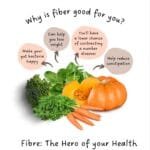
- Add enough fiber like salad or cooked vegetables in your meal.
🧠 7. Mind Your Medical Conditions
- Diabetics: Prioritize grilled over fried meat. Control carbs. Monitor sugar post-meals.
- Hypertensive individuals: Limit salt, processed meat (seekh kebabs, sausages) pickled meat.
- Heart patients: Focus on portion control and lean cuts only.
🍽️ 8. Distribute & Share Generously
Following the Sunnah, divide your Qurbani meat into 3 parts: for yourself, relatives/friends, and the needy.
This not only fulfills a noble cause but also helps prevent storage hoarding and overconsumption at home.
9. Try to cook your meal without oil.
Oil-Free Cooking Tips for Eid ul-Adha: A Healthy Way to Enjoy Qurbani Meat
During Eid ul-Adha, the focus is often on rich, indulgent meals, especially meat-based dishes. While the celebration is sacred and joyful, it’s possible to honour the occasion without compromising your health—by preparing delicious, oil-free meals that still carry traditional flavours.
Below are practical, evidence-based tips for cooking oil-free Qurbani dishes while preserving taste and texture:
🧂 1. Use Natural Fats in the Meat
Red meats like goat or beef have intramuscular fat that renders while cooking. This natural fat is enough to sauté and flavour your dish without adding oil.
✅ Tip: Begin by dry-roasting the meat in a non-stick or heavy-bottomed pan. It will release its own fat in a few minutes.
Cook slowly in a pressure cooker to get rid of raw flavour of spices.
🧅 2. Dry Roast Masalas and Base Ingredients
You don’t need oil to “bhunofy” masalas.
- Sauté onions, garlic, ginger in a heavy bottom pan until it’s own moisture is used up. Then add a little water or tomato puree until well cooked.
- Add powdered spices (haldi, dhania, jeera, garam masala) and dry roast them for aroma.
✅ Add splashes of low-sodium vegetable broth or meat stock to prevent sticking.
🍅 3. Use Tomato or Yogurt for Moisture
These ingredients help in creating a gravy-like texture without oil:
- Tomatoes: Natural umami and acid help tenderise meat.
- Low-fat curd: Use beaten yogurt to enhance richness.
- Diluted Coconut milk: For Kerala or South-Indian style recipes.
✅ Stir gently on low heat to avoid curdling.
🍲 4. Pressure Cook or Slow Cook
Both methods soften the meat and intensify flavour without needing oil.
- Add aromatics, spices, and enough water or broth.
- Cook until tender, then reduce to thicken the gravy naturally.
🍢 5. Grill, Roast or Air-Fry
Marinate meat with spices, yogurt, vinegar or lemon juice and let it rest for an hour or two then air-fry or roast in an oven.
- Avoid tandoori masala mixes with added fats or MSG.
- Use a wire rack so excess fat drips off.
✅ Great for making seekh kebabs, shami kebabs, tikkas and chops without a drop of oil.
🧄 6. Use Flavour-Enhancing Herbs and Spices
Without oil, the taste depends heavily on aromatics.
✅ Use:
- Whole spices (cloves, cinnamon, cardamom)
- Fresh herbs (mint, coriander, curry leaves)
- Toasted seeds (jeera, saunf, ajwain)
- Lemon juice and black salt for zing
🥗 7. Pair with Fiber-Rich Sides
Balance the protein-rich meat with oil-free sides like:
- Cucumber-onion salad with lemon juice
- Vegetable stew with barley or dalia
- Steamed or baked vegetables with pepper and herbs
🔥 8. Avoid “Tarka” with Oil or Ghee
Instead of the traditional oil tarka:
- Use dry roasted garlic and whole red chillies
- Add sizzled curry leaves or mustard seeds in water
✅ Sprinkle on top of dishes for that final touch.
💡 Sample Oil-Free Eid Meal Ideas
1. Dish: Mutton stew
Cooking method: Pressure cooked with tomato & spices
2. Dish: Grilled kebabs
Cooking method: Marinated & air-fried
3. Dish: Keema
Cooking Method: Cooked in onion-tomato base without oil
4. Dish: Mutton yakhni pulao
Cooking method:Low-fat broth cooked
5. Dish: Spiced mutton soup
Cooking method: Simmered with jeera & garlic
🌙 Remember the Sunnah:
“Eat and drink, but do not waste.” (Qur’an 7:31)
Oil-free cooking not only supports health but also reduces wastage and excessive consumption.
🌿 Final Words:
Eid is not about lavish indulgence, but gratitude and moderation. Enjoy the blessings, but honour your health too.
“And eat and drink, but be not excessive. Indeed, He likes not those who commit excess.”
— Surah Al-A’raf 7:31
For personalised diet plans, especially for individuals with lifestyle disorders, or post-Eid detox programs, reach out to:
📍 Dr Sumaiya NutriCare Clinic
7, Moore Rd, off Coles Road, Pulikeshi Nagar, Frazer Town, Bengaluru – 560005
📞 7208660987

Looking for a Personalized Clinical Nutrition Protocol?
Managing your health requires addressing your unique metabolic biomarkers, digestive transit, and root causes. Dr. Sumaiya provides individualized medical nutrition therapy tailored to your lifestyle.
- Comprehensive Blood & Biomarker Audit (HbA1c, Fasting Insulin, Lipid Ratios, Thyroid/Liver)
- Root-Cause Metabolic Mapping & Dietary Assessment
- 100% Customized Indian Meal Protocol with Continuous Weekly Monitoring
In-Clinic at Frazer Town, Bengaluru & Telehealth Pan-India / Globally | Call/WhatsApp: +91 7208660987