

The Best Foods for Gut Health: Evidence-Based Nutrition for a Stronger Microbiome
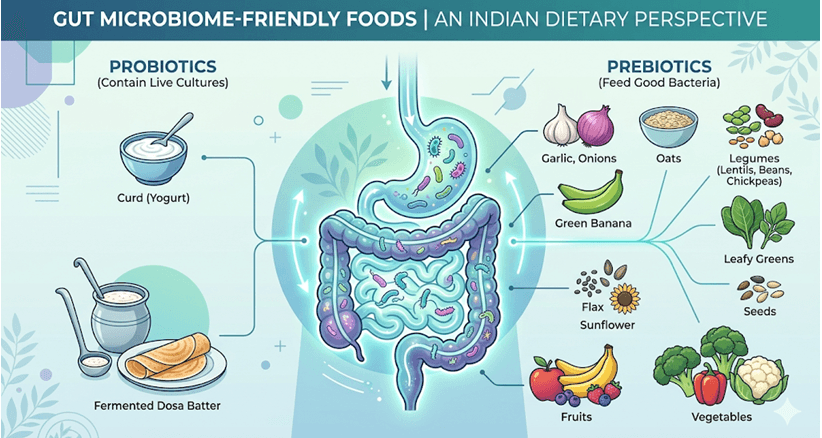
A healthy gut microbiome thrives on fibre-rich foods, fermented foods, and diverse plant-based nutrition. Regular intake of prebiotic foods like oats, garlic, onions, legumes, and resistant starch alongside probiotic foods such as curd and fermented batters can improve digestion, strengthen immunity, reduce inflammation, and support metabolic health.
Bloating, constipation, acidity, irregular bowel movements, unexplained fatigue, poor immunity, and even difficulty losing weight are often linked to poor gut health. Modern diets overloaded with ultra-processed foods, refined carbohydrates, low fibre intake, irregular eating patterns, and chronic stress can significantly disrupt the gut microbiome.
The gut is not merely a digestive organ. It acts as a metabolic, immune, hormonal, and inflammatory control centre. Research now shows that disturbances in gut microbiota are associated with obesity, insulin resistance, diabetes, IBS, fatty liver disease, autoimmune conditions, and even mental health disorders.
At Dr Sumaiya’s NutriCare Clinic, we focus on medically supervised nutrition therapy that improves gut integrity, microbial diversity, bowel regularity, and long-term metabolic health using sustainable Indian dietary strategies rather than restrictive fad diets.
“Your gut microbiome is shaped more by your daily food patterns than by any single probiotic supplement.”
Table of Contents
- What Is the Gut Microbiome?
- Why Gut Health Matters
- Best Prebiotic Foods
- Best Probiotic Foods
- Polyphenol-Rich Foods for Gut Health
- Best Indian Foods for Gut Health
- Foods That Harm the Gut Microbiome
- Gut Health and Disease Prevention
- Simple Daily Gut Health Plan
- FAQ
What Is the Gut Microbiome?
The gut microbiome refers to trillions of microorganisms living inside the digestive tract, including bacteria, fungi, and viruses. These microorganisms influence:
- Digestion and nutrient absorption
- Immune system regulation
- Inflammation control
- Blood sugar regulation
- Appetite and weight management
- Production of vitamins and short-chain fatty acids
- Gut barrier integrity
Nearly 70% of immune activity is connected to the gut. Poor microbial diversity is increasingly associated with chronic lifestyle diseases.
Why Gut Health Matters
A disrupted microbiome may contribute to:
- Constipation
- Bloating and gas
- IBS symptoms
- Acidity and reflux
- Insulin resistance
- Weight gain
- Inflammation
- Fatty liver disease
- Reduced immunity
- Poor metabolic health
One surprising clinical observation is that individuals consuming more than 30 different plant foods weekly tend to demonstrate significantly greater gut microbial diversity compared to those consuming fewer than 10 plant foods weekly.
Patients with elevated HbA1c, abdominal obesity, high triglycerides, chronic constipation, or recurrent digestive discomfort frequently show poor dietary fibre intake and low plant diversity.
Best Prebiotic Foods for Gut Health
Prebiotics are non-digestible fibres that nourish beneficial gut bacteria. They are one of the strongest evidence-based nutritional tools for improving microbiome quality.
1. Garlic and Onions
Rich in inulin and fructooligosaccharides (FOS), garlic and onions support beneficial bacteria such as Bifidobacteria.
2. Oats and Barley
These contain beta-glucan fibre that improves satiety, supports bowel health, reduces LDL cholesterol, and helps stabilise blood glucose.
3. Green Bananas
Underripe bananas are rich in resistant starch, which increases butyrate production. Butyrate is a short-chain fatty acid that nourishes colon cells and supports intestinal integrity.
4. Legumes and Lentils
Moong dal, masoor dal, rajma, chana, and peas provide fibre, resistant starch, plant protein, and gut-supportive compounds.
5. Asparagus and Leeks
Excellent sources of fermentable fibre with additional antioxidant benefits.
Clinical Note: Individuals with IBS or severe bloating may need gradual fibre escalation. Excess inulin intake may worsen gas and abdominal discomfort in sensitive individuals.
Best Probiotic Foods for Gut Health
Probiotic foods contain live microorganisms that may temporarily improve microbial balance and gut function.
1. Homemade Curd (Dahi)
Curd remains one of the most practical and affordable probiotic foods in India. It provides Lactobacillus species and improves digestive tolerance in many individuals.
2. Buttermilk (Chaas)
Spiced chaas improves hydration and digestion while supplying beneficial bacteria.
3. Fermented Rice-Lentil Batter
Traditional idli and dosa batter fermentation enhances digestibility and microbial activity while reducing anti-nutritional factors.
4. Kefir
Kefir contains diverse bacterial and yeast strains. Some studies suggest it may improve lactose digestion and gut barrier function.
5. Kimchi and Sauerkraut
Unpasteurised fermented vegetables contain lactic acid bacteria and beneficial metabolites. However, high sodium intake should be considered in hypertension patients.
Myth Busting: Expensive probiotic supplements are not always superior to traditional fermented foods. In many cases, simple daily dietary consistency matters more than high-cost supplements.
Polyphenol-Rich Foods That Support the Microbiome
Polyphenols are plant compounds that act as antioxidants and interact positively with gut bacteria.
- Extra virgin olive oil
- Green tea
- Amla
- Apples
- Berries
- Cocoa
- Leafy greens
- Pomegranate
Apples contain pectin, a soluble fibre that supports short-chain fatty acid production. Polyphenol-rich foods may also reduce oxidative stress and inflammation.
Best Indian Foods for Gut Health
Indian cuisine naturally includes several microbiome-supportive foods when prepared traditionally.
| Food | Gut Benefit |
|---|---|
| Curd | Natural probiotics |
| Chaas | Digestive support and hydration |
| Idli and dosa | Fermented batter improves digestibility |
| Millets | High fibre and resistant starch |
| Moong dal | Gentle protein and fibre source |
| Vegetable sabzi | Plant diversity and antioxidants |
| Flax and chia seeds | Soluble fibre and omega-3 fats |
| Green banana | Resistant starch source |
Foods That Harm the Gut Microbiome
Several dietary patterns negatively affect microbial diversity and gut barrier function.
- Ultra-processed foods
- Refined flour products
- Excess sugar intake
- Low-fibre diets
- Frequent fast food consumption
- Artificial sweeteners in excess
- Excess alcohol
- Repeated unnecessary antibiotic use
Emulsifiers, preservatives, and low-fibre processed foods may impair gut barrier integrity and microbial balance.
Gut Health and Chronic Disease
Emerging research connects microbiome imbalance with multiple chronic diseases:
- Obesity
- Type 2 diabetes
- PCOS
- Fatty liver disease
- IBS
- Inflammatory bowel disease
- Cardiovascular disease
- Autoimmune disorders
Patients with elevated HbA1c, high triglycerides, increased waist circumference, chronic constipation, or inflammatory symptoms frequently benefit from medically supervised dietary correction targeting gut function.
At Dr Sumaiya’s NutriCare Clinic, dietary therapy focuses on sustainable correction of insulin resistance, metabolic inflammation, bowel regularity, and nutritional deficiencies using personalised plans instead of generic internet diets.
Simple Daily Gut Health Framework
Morning
- Curd or buttermilk
- Oats or millet-based breakfast
- Whole fruit
Lunch
- Dal or legumes
- Mixed vegetables
- Whole grains or rice
- Salad
Evening
- Nuts and seeds
- Green tea
Dinner
- Cooked vegetables
- Moderate fibre intake
- Fermented food component
Practical Takeaway: Focus on dietary diversity, not perfection. A realistic, sustainable, fibre-rich eating pattern consistently produces better gut outcomes than restrictive “detox” approaches.
Frequently Asked Questions
What is the best food for gut health?
No single food can transform the microbiome. The best approach includes diverse fibre-rich foods, fermented foods, legumes, vegetables, fruits, and minimally processed meals.
Are probiotic supplements necessary?
Not always. Many people benefit significantly from improving dietary fibre and fermented food intake without needing supplements.
Can poor gut health affect weight loss?
Yes. Gut microbiota may influence appetite regulation, insulin sensitivity, inflammation, and metabolic efficiency.
Book a Consultation
If you are struggling with bloating, constipation, IBS symptoms, acidity, weight gain, insulin resistance, PCOS, or poor digestion, medically supervised nutrition therapy can help identify dietary triggers and restore gut health sustainably.
Dr Sumaiya NutriCare Clinic
Phone: 7208660987
Email: doc@drsumaiya.com
Address: 7, Moore Rd, off Coles Road, Pulikeshi Nagar, Frazer Town, Bengaluru, Karnataka 560005
Online and offline consultations available.
References
- World Health Organization (WHO)
- Indian Council of Medical Research (ICMR)
- American Gastroenterological Association
- Harvard T.H. Chan School of Public Health
- PubMed indexed microbiome studies
- Stanford fermented foods microbiome research
Looking for a Personalized Clinical Nutrition Protocol?
Managing your health requires addressing your unique metabolic biomarkers, digestive transit, and root causes. Dr. Sumaiya provides individualized medical nutrition therapy tailored to your lifestyle.
- Comprehensive Blood & Biomarker Audit (HbA1c, Fasting Insulin, Lipid Ratios, Thyroid/Liver)
- Root-Cause Metabolic Mapping & Dietary Assessment
- 100% Customized Indian Meal Protocol with Continuous Weekly Monitoring
In-Clinic at Frazer Town, Bengaluru & Telehealth Pan-India / Globally | Call/WhatsApp: +91 7208660987