
Medically Verified & Evidence-Based | Authored by Dr. Sumaiya Petiwala, RD, BUMS, CDE (Registered Clinical Dietitian & Metabolic Health Specialist) | Aligned with ICMR-NIN Clinical Standards | Last Updated: October 2026
Most Indian diets are heavy on carbs in the morning and protein only at night. You eat poha for breakfast, a roti-sabzi lunch, and a heavy dinner. But muscles cannot save extra protein for later. At Dr. Sumaiya NutriCare Clinic, we show you why protein pacing is key. Spacing protein through the day protects your muscles and balances blood sugar.
Why Does Daily Protein Distribution Matter for Metabolism?
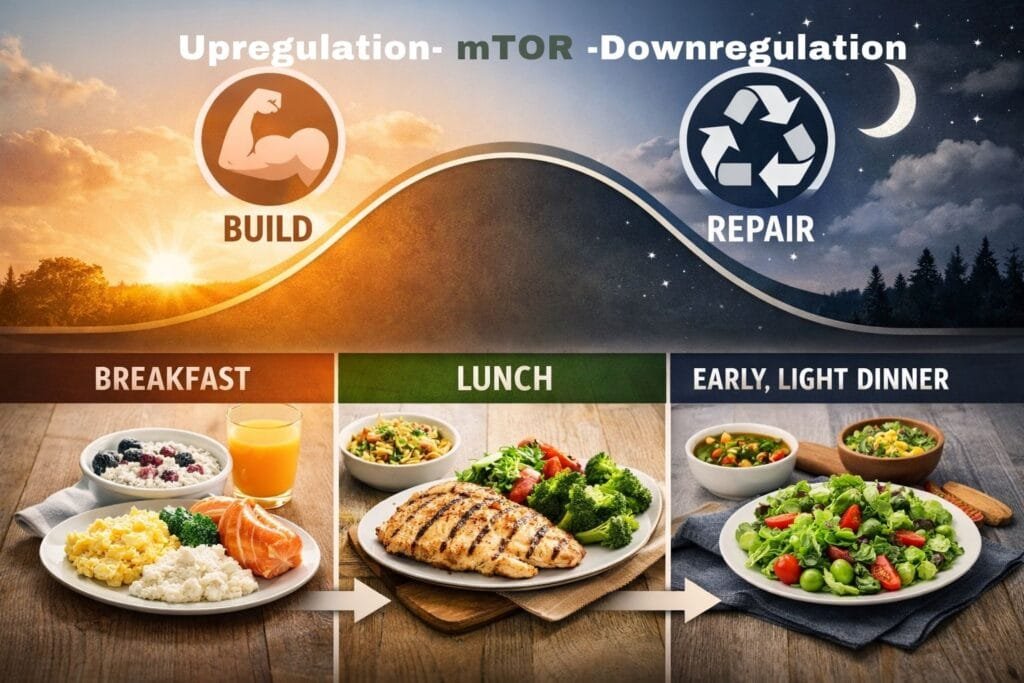
Direct Clinical Answer: Protein pacing sparks muscle repair and calms glucose spikes through the day. Instead of eating all protein at night, having twenty to thirty grams at each meal triggers muscle building. This steady supply curbs hunger, speeds fat burning, and keeps daily energy high.
4 Clinical Benefits of Distributing Protein Evenly
Spacing your protein gives four clear bodily gains:
- 1. Reaching the Leucine Trigger for Muscle Repair. Muscles need about two to three grams of the amino acid leucine per meal to switch on repair pathways. A tiny dab of dal fails to cross this mark. Eating twenty-five grams of protein at breakfast switches on muscle building right away.
- 2. Halting Post-Meal Glucose Surges. Eating protein before carbohydrates delays gastric emptying. This prevents sharp blood sugar rises. It helps reverse insulin resistance (where cells do not absorb glucose well). It stops accumulation of visceral fat (deep belly fat packed around internal organs). Over time, it lowers HbA1c (a 3-month average of blood sugar levels) and reduces fasting insulin (a morning blood test measuring baseline insulin levels).
- 3. Sustained Daytime Satiety and Cravings Control. Protein pacing stimulates satiety hormones steadily. It stops late afternoon snacking and evening cravings. It lowers systemic inflammation (cellular immune stress that harms tissues) in digestive pathways.
- 4. Hepatic Support and Blood Fat Balance. Consistent amino acid supply aids liver fat export. It shields against fatty liver (a condition where fat builds up inside liver cells) and NAFLD (non-alcoholic fatty liver disease, a condition with excess liver fat). It normalizes SGPT (a liver enzyme showing hepatic irritation) and SGOT (a liver enzyme released during cell damage). It also lowers blood triglycerides (blood fats tied to insulin levels). Steady meals also fuel your thyroid (the neck gland that controls how fast your body burns energy), monitored by TSH (a blood test that checks your thyroid pace). It supports hormonal balance in women with PCOS (polycystic ovary syndrome, a hormonal imbalance).
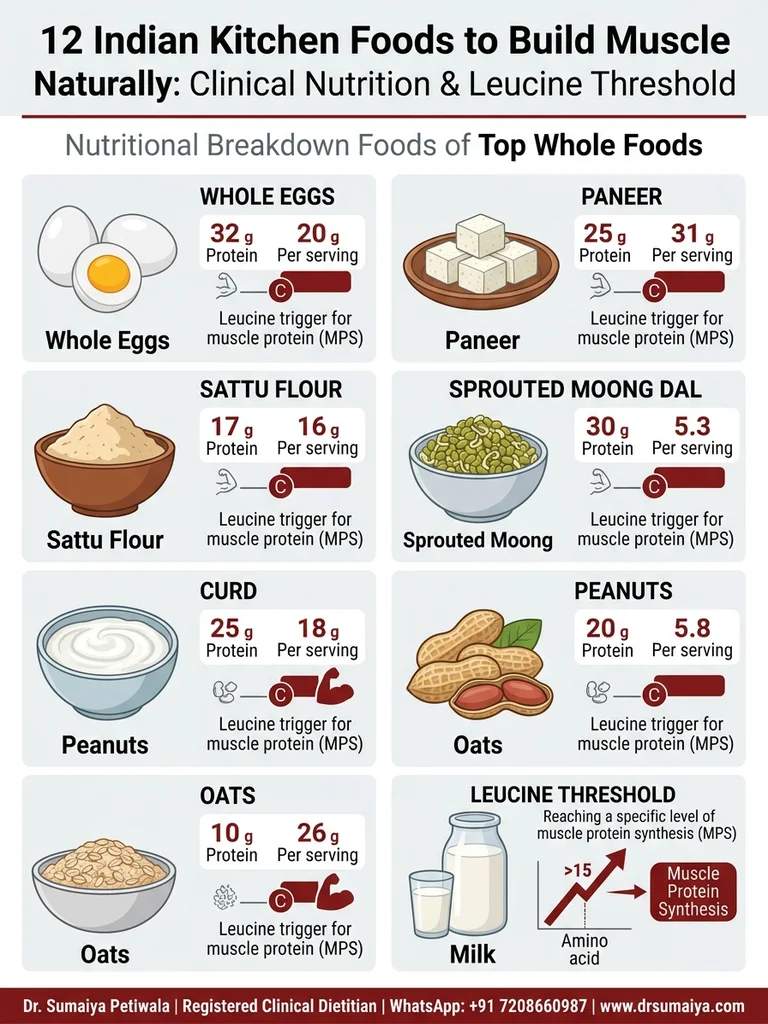
📊 The Leucine Threshold: How 20-30g of Quality Indian Protein Triggers Muscle Protein Synthesis.
Comparison: Dinner Backloading vs Clinical Protein Pacing
See how night-heavy eating compares with clinical protein pacing:
| Eating Pattern | Skewed Dinner Backloading | Dr. Sumaiya Clinical Protocol |
|---|---|---|
| Breakfast Protein | Near zero. Poha, upma, or chai-biscuit. | 20-25g. Eggs, paneer, or sprouts. |
| Muscle Protein Signal | Triggered only once at night. | Activated 3 times across the day. |
| Daytime Blood Sugar | Sharp spikes. Heavy post-lunch fog. | Flat gentle curve. Calm steady focus. |
| Body Fat Outcome | Excess dinner protein stored as fat. | Maximum muscle gain and fat loss. |
Optimize Your Protein Pacing with Doctor-Led Nutrition
Are you struggling to hit your protein targets without digestive heaviness? Learn how to pace high-protein Indian foods to boost energy and protect muscle. Consult Dr. Sumaiya Petiwala today.
Book Clinical Consultation on WhatsApp →The 50/25/25 Indian Plate Rule for Protein Pacing
Use this simple meal plan at breakfast, lunch, and dinner:
- 50% High-Fiber Vegetables & Salads. Fill half your plate with cucumber, palak, methi, tomatoes, or beans. These provide prebiotic (plant fibers that nourish good gut bacteria) food. They also deliver rich antioxidant (plant defense compounds that protect gut lining) protection.
- 25% High-Quality Clean Protein First. Eat protein first at every meal. Select boiled eggs, paneer, tofu, chicken, fish, or thick dal. Consuming protein first slows carbohydrate absorption.
- 25% Complex Smart Grains. Finish with whole jowar roti, oats, or brown rice. These carry a low glycemic index (a scale measuring how fast foods raise blood sugar) and modest glycemic load (a ranking system for carbohydrate content and blood sugar impact). This avoids rapid postprandial (occurring after a meal) sugar surges.
Add fresh home-set curd for probiotic (live good bacteria that aid digestion) gut balance. A healthy gut microbiome ensures smooth protein absorption.
The Dr. Sumaiya 3-Step Medical Correction Process
At Dr. Sumaiya NutriCare Clinic, we guide you through three structured clinical stages:
- Step 1: Biomarker Analysis & Dietary Audit. We review blood sugar, fasting insulin, liver health, and body composition to calculate your exact daily protein need.
- Step 2: Personalized Indian Nutritional Prescription. We design an easy home meal plan with local foods that distributes protein evenly across your day.
- Step 3: Clinical Pacing & Weekly Monitoring. We track your strength, energy, and fat loss weekly to ensure optimal muscle retention.
🌟 Transform Your Health Today
Takes only 60 seconds to get personalized clinical insights.
"Lost 4kgs in one month... plans are simple and effective! She
responds to queries promptly."
– Payal J.
Frequently Asked Questions About Protein Timing
Can the human body absorb more than 30 grams of protein in one meal?
Yes, the gut absorbs all ingested protein, but muscle protein synthesis maxes out around thirty grams per sitting. Extra protein is used for energy or stored.
What is the leucine threshold and why is it important?
The leucine threshold is the minimum amount of leucine (roughly 2.5 grams) needed to trigger muscle protein synthesis. Pacing protein ensures you hit this threshold at every meal.
What are the best high-protein breakfast options for Indian vegetarians?
Paneer bhurji, sprouted moong chilla with curd, besan cheela stuffed with tofu, or Greek-style strained curd with nuts provide excellent morning protein.
Does eating protein before carbohydrates improve blood glucose control?
Yes. Consuming protein and fiber before carbohydrates slows gastric emptying and stimulates incretin hormones, reducing postprandial glucose spikes by over thirty percent.
Does high protein intake cause kidney damage in healthy individuals?
No. Extensive clinical research shows that moderate-to-high protein intake (1.2 to 1.6 grams per kg) does not harm kidney function in individuals with healthy kidneys.