
🩺 Quick Clinical Verdict: Why Does Weight Loss Slow Down After the First Two Weeks?
Weight loss slows down naturally because your body shifts from shedding water weight to burning actual body fat. During Weeks 1 and 2, rapid scale drops reflect glycogen depletion (every gram of stored carbohydrate carries 3 to 4 grams of water). From Week 3 onward, true fat burning (lipolysis) occurs at a sustainable rate of 0.5 kg to 1.0 kg per week. As you lose mass, your body initiates adaptive thermogenesis (a protective slowdown in resting metabolic rate). Dr. Sumaiya’s Rule: Protect lean muscle with adequate protein to keep your metabolism elevated and break plateaus.
One of the most frustrating experiences in any weight transformation journey is hitting the dreaded “weight loss plateau.” After celebrating a rapid 3 to 4 kg drop during the first ten days, many patients find the bathroom scale refusing to budge by Week 4—despite strict adherence to their diet. In clinical physiology, this slowdown is not a sign of failure; it is a normal, predictable hormonal and metabolic adaptation programmed into human survival biology.
Clinical Nutrition Matrix: The 3 Distinct Phases of Weight Loss
Understanding the physiological, hormonal, and biochemical shifts across the 3 phases of a weight loss journey:
| Journey Phase | Primary Source of Scale Loss | Key Hormonal & Metabolic Shift | Common Patient Experience | Clinical Management Strategy |
|---|---|---|---|---|
| Phase 1: Initial Flush (Weeks 1–2) | Stored glycogen + Intracellular water (approx. 70% water / 30% fat) | Circulating insulin drops rapidly, causing kidneys to excrete sodium and water. | Excitement; rapid loss of 2 to 4 kg; visible reduction in facial and abdominal puffiness. | Ensure adequate hydration and electrolyte intake; establish baseline protein discipline. |
| Phase 2: True Lipolysis (Weeks 3–8) | Adipose visceral and subcutaneous fat (approx. 85% fat / 15% lean tissue) | Steady fatty acid mobilization via mitochondrial beta-oxidation; mild drop in leptin. | Consistent, steady fat loss of 0.5 kg to 1.0 kg per week; clothes feel significantly looser. | Maintain a moderate, doctor-calculated caloric deficit with strict protein pacing. |
| Phase 3: Adaptive Plateau (Weeks 9+) | Stabilized fat loss; body attempts to conserve energy | Adaptive thermogenesis slows basal metabolic rate; ghrelin (hunger hormone) increases. | The scale stops moving for 2 to 3 weeks; increased appetite and mild fatigue. | Implement structured metabolic re-feeds, adjust carb-protein ratios, and assess non-scale victories. |
4 Steps to Overcome a Weight Loss Plateau
1. Audit Hidden Oils
Just 2 extra teaspoons of cooking oil or salad dressing adds 90 kcal, wiping out your daily deficit.
2. Boost Protein Intake
Protein has a 25–30% thermic effect, boosting metabolic burn while protecting lean muscle tissue.
3. Optimize Sleep & Stress
Elevated evening cortisol causes severe fluid retention, masking fat loss on the bathroom scale.
4. Track Body Measurements
Visceral fat (the deep fat packed around your belly organs) often drops first. You see it as lost waist inches and better lab reports, even when the scale stays still.
Dr. Sumaiya’s 4 Rules for Sustainable Fat Loss
1. Focus on Body Composition, Not Just Scale Weight
The bathroom scale measures total gravitational mass—including bones, muscles, water, digestive contents, and fat. If you lose 3 kg of water and muscle on a crash starvation diet, your scale weight drops, but your body fat percentage actually increases. True metabolic success means losing visceral adipose fat while protecting lean skeletal muscle.
2. Leverage the High Thermic Effect of Food (TEF)
Your body burns energy simply digesting nutrients. Carbohydrates burn 5–10% of their calories during digestion, fats burn 0–3%, while dietary protein burns 25–30% of its calories during digestion and assimilation. Eating adequate protein naturally raises your basal calorie burning.
3. Beware of Cortisol-Induced Water Retention
Severe caloric restriction combined with excessive cardiovascular exercise elevates systemic cortisol (the primary stress hormone). High cortisol binds to aldosterone receptors in the kidneys, causing significant fluid retention that masks fat loss on the scale for weeks at a time.
4. Plan Structured Metabolic Calorie Titrations
Very strict dieting for months tells your brain that food is scarce. Your thyroid (a small gland in your neck that sets how fast your body burns energy) slows down, and your hunger signals get louder. A clinical dietitian plans diet breaks and re-feed days. These reset your hunger signals, keep your thyroid active, and protect fat loss.
The Indian Kitchen Plan That Protects Your Metabolism
You do not need exotic food to break a plateau. You need a plate that keeps protein and fibre high at every meal.
Use the 50/25/25 plate at lunch and dinner
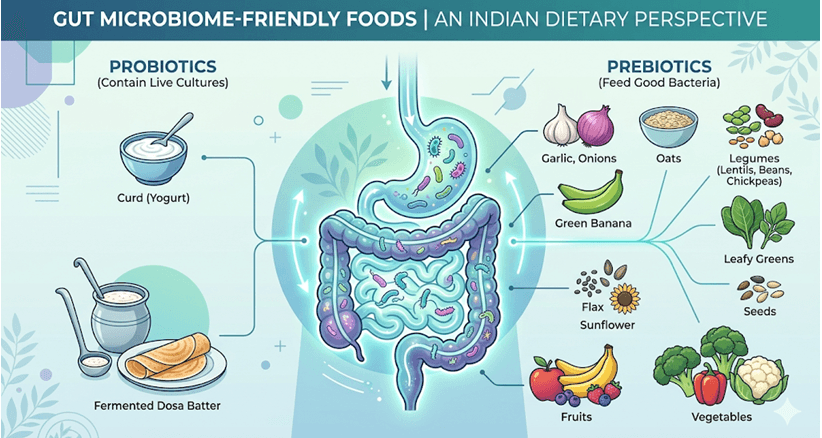
Fill half the plate with vegetables and salad. Add a quarter plate of protein such as thick dal, chana, paneer, curd, eggs, fish or chicken. Keep the last quarter for whole carbs such as phulka, matta rice or millet roti. One katori of curd on the side adds protein and good gut bacteria.
Follow the golden eating order
Eat salad and sabzi first, then dal or protein, and finish with roti or rice. This simple order slows the sugar rise after your meal and keeps you full on smaller portions.
Swap three everyday foods
- Swap rava upma for vegetable dalia or oats. Same comfort, more fibre.
- Swap packaged fruit juice for whole fruit or a bowl of papaya.
- Swap sweet chai with biscuits for roasted jeera chaas and a handful of roasted chana.
Build a protein-first breakfast and snack
Breakfast: two eggs with one phulka, or besan chilla with curd. Snack: roasted chana, makhana, or a small bowl of paneer. Protein at breakfast cuts evening cravings and protects muscle while you lose fat.
Break Your Plateau & Achieve Permanent Fat Loss
Stuck on a weight loss plateau? Consult Dr. Sumaiya Petiwala for a personalized Medical Nutrition Therapy protocol designed to protect your metabolism and achieve sustainable fat loss using wholesome Indian home food.
- Comprehensive Metabolic & Biomarker Audit: Medical analysis of your fasting insulin (a blood test that shows how hard your body is working to control blood sugar), thyroid panel, liver enzymes, and body composition.
- Customized High-Protein Indian Meal Prescription: A practical daily diet tailored to your metabolic rate, preserving muscle and eliminating hunger.
- Weekly Doctor Supervision: Continuous clinical monitoring, scheduled re-feeds, and habit coaching to ensure permanent results.
In-Clinic at Frazer Town, Bengaluru & Telehealth Pan-India / Globally | WhatsApp: +91 7208660987