Navigating the teenage years is a delicate balancing act. As a parent, you want to guide them toward healthy habits, but you also know that pushing too hard can lead to rebellion, frustration, or body image issues. When a teenager needs or wants to lose weight, the approach the family takes can make all the difference between a miserable “diet” and a sustainable, lifelong healthy lifestyle.
The secret? Don’t make it a solo mission. Teens thrive when they feel supported, empowered, and respected.
Here is a comprehensive guide packed with practical, family-focused guidelines to help your teen adopt a healthier lifestyle and follow a nutrition plan with ease.
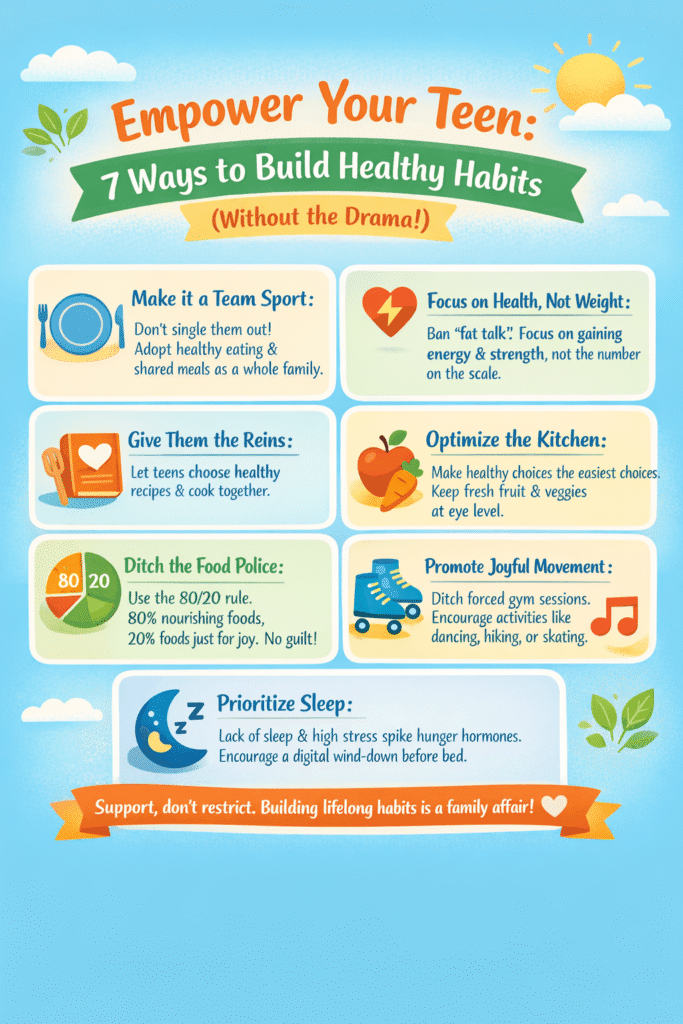
1. Make It a Team Sport (No Singling Out)
The absolute fastest way to make a teenager resent a healthy lifestyle is to single them out. If your teen is eating grilled chicken and broccoli while the rest of the family is ordering pizza, they will feel punished and isolated.
Practical Guidelines:
- A Family Overhaul: Adopt healthy changes as a household. Everyone benefits from eating more vegetables, lean proteins, and whole grains.
- Shared Meals: Make family dinners a priority. Studies consistently show that teens who eat meals with their families consume more nutritious foods and have a lower risk of obesity.
- Be a Role Model: Teens learn by watching. Show them what a healthy relationship with food and exercise looks like through your own actions.
2. Reframe the Goal: Focus on “Health,” Not “Weight”
Teenagers are under immense pressure regarding their appearance. Focusing heavily on the scale or using words like “diet,” “restriction,” or “fat” can trigger anxiety and lower self-esteem.
Practical Guidelines:
- Change the Vocabulary: Instead of talking about “losing weight,” talk about “gaining energy,” “getting stronger,” or “fueling up for exams.”
- Ban “Fat Talk”: Stop criticizing your own body or other people’s bodies in front of your teen. Create a home environment where bodies are appreciated for what they can do, not just how they look.
- Focus on Addition, Not Subtraction: Instead of saying, “You can’t eat junk food anymore,” reframe it as, “Let’s see if we can add two servings of colorful vegetables to dinner tonight.”
3. Give Them the Reins (Encourage Autonomy)
Teenagers are wired to seek independence. If a diet feels like an order from a parent, their instinct will be to push back. Giving them a sense of control makes them much more likely to stick to a plan.
Practical Guidelines:
- Let Them Choose: Sit down together on the weekend and ask them to pick two or three healthy dinners they’d like to try during the week.
- Cook Together: Teach your teen basic cooking skills. When they are involved in preparing a meal, they feel a sense of ownership and are more likely to enjoy eating it.
- Embrace Food Trends: If they see a healthy “TikTok recipe” (like baked feta pasta with veggies or protein-packed smoothie bowls), encourage them to make it!
4. Optimize Your Kitchen Environment
Willpower is exhausting for adults, let alone teenagers with developing impulse control. The easiest way to help your teen make good choices is to make the healthy choice the most convenient choice.
Practical Guidelines:
- The Power of Visibility: Keep a bowl of washed, ready-to-eat fruit on the counter. Store chopped veggies and hummus at eye level in the fridge.
- Manage the Pantry: You don’t have to banish all treats, but avoid buying family-sized bags of highly processed snacks. If they aren’t easily accessible, your teen is less likely to mindlessly graze on them out of boredom.
- Equip Them for School: Help them pack lunches and snacks that fit their goals so they aren’t forced to rely on fast-food cafeterias.
5. Ditch the “Food Police” Persona
Monitoring every bite your teen takes is a recipe for disaster. It encourages sneaking food, bingeing in private, and feelings of shame.
Practical Guidelines:
- Use the 80/20 Rule: Teach them that 80% of the time we eat foods that fuel and nourish our bodies, and 20% of the time we eat foods just for joy (like a slice of birthday cake or a favorite dessert). This prevents the “all-or-nothing” mindset that ruins most diets.
- Let Slip-Ups Go: If they stray from their nutrition plan, do not guilt-trip them. Treat each meal as a clean slate.
6. Promote “Joyful Movement” Over “Exercise”
Telling a teen they have to go run on a treadmill for 30 minutes can feel like a chore. Physical activity should be something they look forward to.
Practical Guidelines:
- Find Their Niche: Not every teen likes traditional sports or the gym. Encourage them to find what they love—whether that’s skateboarding, hiking, martial arts, dance choreography on YouTube, or just walking the family dog.
- Be Active Together: Plan active weekend outings. Go for a bike ride, take a nature hike, or play tennis or a game of backyard volleyball.
7. Don’t Ignore Sleep and Stress
Diet and exercise are only two pieces of the puzzle. Chronic stress and sleep deprivation wreak havoc on a teen’s hormones, particularly cortisol and ghrelin (the hunger hormone), making weight loss incredibly difficult and increasing cravings for sugar and carbs.
Practical Guidelines:
- Set a Sleep Routine: Encourage a wind-down routine that removes blue-light devices (phones, tablets) at least an hour before bed. Aim for 8-10 hours of sleep per night.
- Check In Emotionally: Sometimes overeating is a coping mechanism for stress at school, social anxiety, or depression. Keep the lines of communication open. Ask how they are doing, and listen without trying to “fix” everything instantly.
The Bottom Line
Helping a teenager adopt a healthy lifestyle is not about enforcing strict rules; it’s about creating a supportive, loving environment. By focusing on overall wellness, making healthy choices convenient, and participating as a family unit, you empower your teen to build habits that will keep them healthy and happy long after they leave the nest.