
🩺 Quick Clinical Answer: Why Do You Crave Sweets After a Meal?
Craving sweets after a full meal is usually a sign of insulin resistance (when your cells struggle to absorb blood sugar), not weak willpower. When cells resist insulin, glucose cannot enter muscle cells for energy. Your body feels starved despite eating, triggering urgent sugar cravings. Balancing meals with protein, fiber, and healthy fats stops these post-meal crashes. Dr. Sumaiya’s recommendation:
Have you ever finished a hearty lunch or dinner, felt completely full, yet found yourself hunting for something sweet? Many of my patients describe this exact frustration. They feel guilty, assuming they lack discipline. But persistent sweet cravings after eating are rarely an emotional flaw.
In clinic practice, post-meal sugar cravings are one of the earliest warning signs of metabolic dysfunction. When your body cannot move energy into your cells efficiently, your brain sends urgent cravings for quick sugar. Let us look at what is happening inside your body and how simple Indian kitchen habits can fix it.
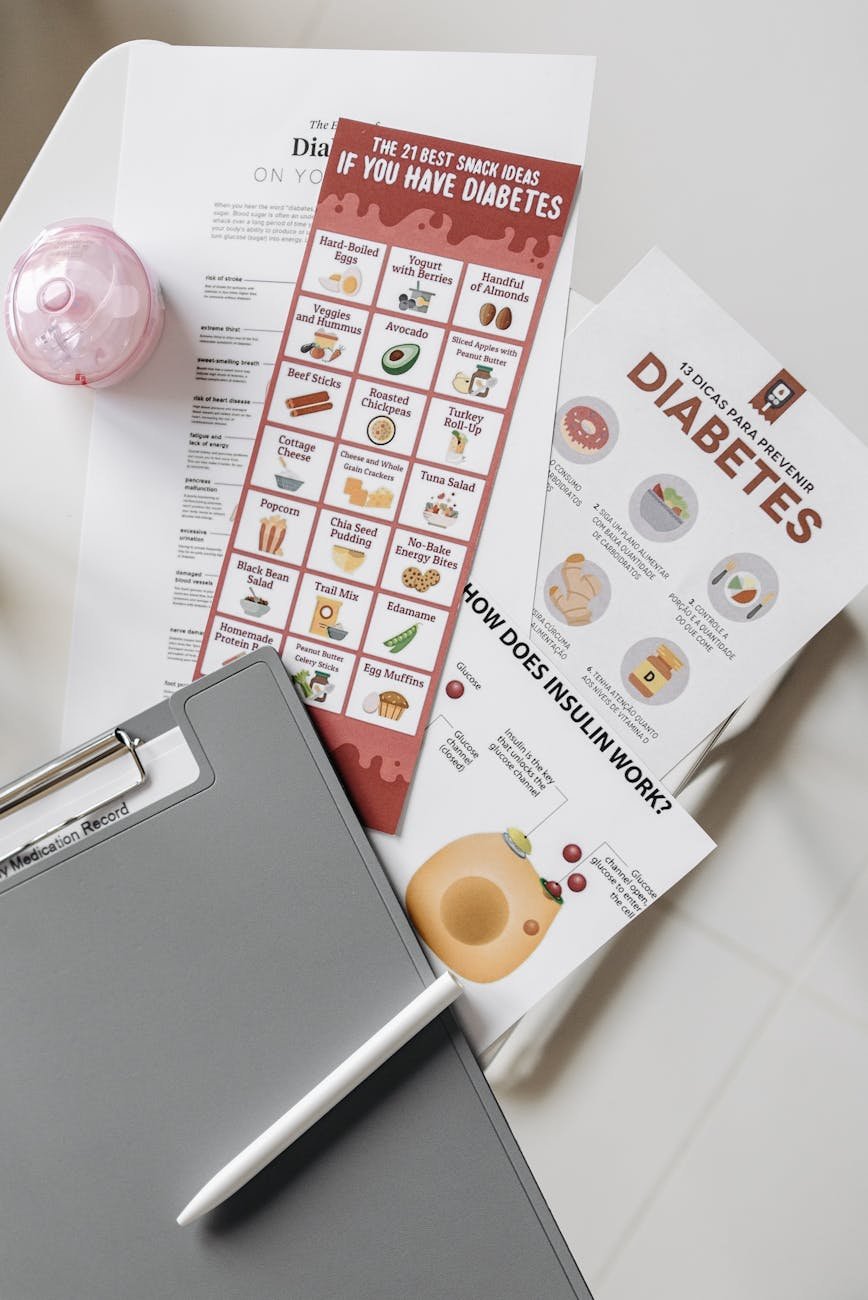
Table of Contents
The Cellular Starvation Paradox: Why You Crave Sugar
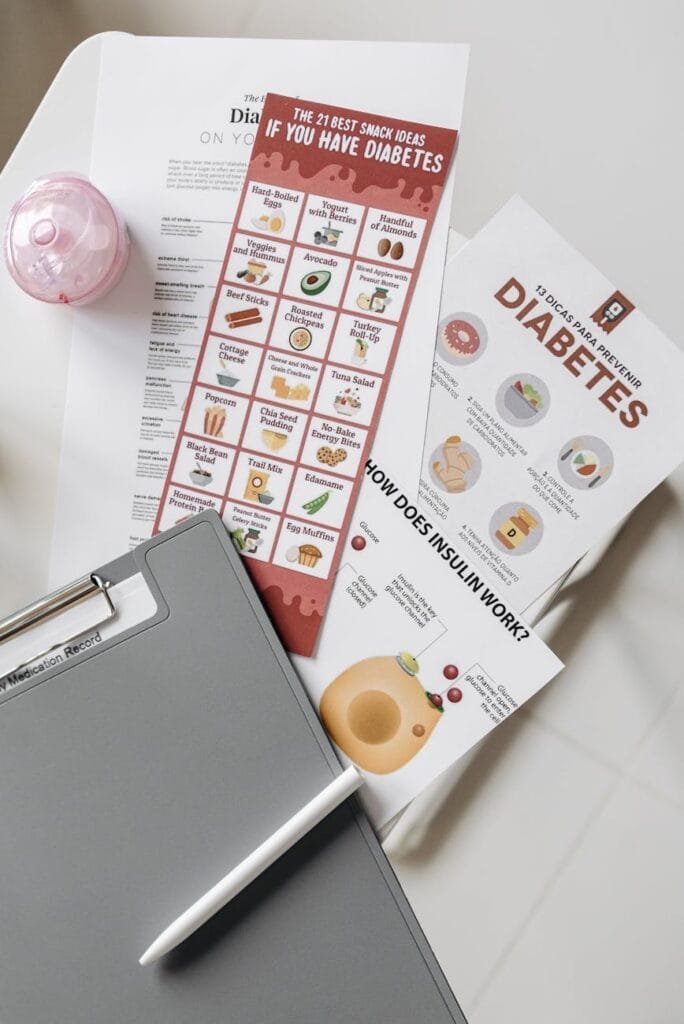
To understand post-meal cravings, think of insulin like a tiny key. When you eat, your digestive tract converts carbs into glucose. Your pancreas releases insulin to unlock your muscle and liver cells so sugar enters for energy.
When cells stop responding to insulin, glucose builds up in your blood instead of fueling your cells. Even though your blood carries plenty of sugar, your muscle cells remain locked outside and starved for fuel.
Your brain senses this lack of cellular energy. It sounds a false alarm, demanding quick energy. Because sugar digests instantly, your brain triggers strong sweet cravings right after your meal.
This dynamic also disrupts leptin, your natural fullness hormone. When high insulin levels circulate constantly, leptin signals fail to reach your brain. You feel physically full in your stomach, but your brain believes you are still running on empty.
Clinical Comparison: Habit vs. Cellular Craving Triggers
Not all cravings have the same medical cause. Understanding whether your cravings stem from a simple dessert habit, poor meal balance, or metabolic dysfunction helps guide the right solution:
| Feature | Cellular Resistance Urge | High-Carb Reactive Crash | Psychological Habit |
|---|---|---|---|
| Timing of Urge | Immediately or within 20 mins | 45 to 90 minutes post-meal | Only in specific settings |
| Physical Energy | Heavy post-meal drowsiness | Shakiness and brain fog | Normal steady energy |
| Response to Water | Craving persists strongly | Craving persists until food | Craving fades quickly |
| Underlying Mechanism | Cellular glucose starvation | Rapid blood sugar dip | Dopamine reward cue |
| Associated Lab Findings | Elevated fasting blood markers | High after-meal glucose dips | Normal metabolic labs |
Warning Signs That Accompany Post-Meal Cravings
Post-meal cravings rarely happen alone. When your body struggles with insulin, other clear signs show up:
- Post-Meal Slump: Feeling an overwhelming urge to sleep 30 to 60 minutes after eating a carb-heavy meal like white rice or plain rotis.
- Deep Belly Fat: Gradual increase in visceral fat (deep belly fat surrounding internal organs) despite eating moderate food portions.
- Elevated Liver Stress: Developing fatty liver (fat that builds up inside your liver cells), also known clinically as NAFLD (the clinical term for fatty liver disease).
- Hormonal Irregularities: Cycle irregularities and facial hair in women, often pointing to PCOS (polycystic ovary syndrome, a hormonal and metabolic condition in women).
- Metabolic Slowdown: Unexplained fatigue often linked with thyroid (the neck gland that regulates how fast your body burns energy) slowdown.
If you experience two or more of these symptoms, addressing your underlying metabolic health is essential. You can also explore our guide on everyday foods secretly high in sugar to eliminate hidden glucose loads from your pantry.
Key Medical Tests That Reveal the Root Cause
Routine checkups often test only fasting blood sugar. Yet blood sugar can look normal for years while insulin climbs quietly. To find the real root cause, ask your doctor for these simple lab tests:
- Fasting Insulin (a blood test that measures early strain on your pancreas): Optimal levels should remain between 3 and 7 μIU/mL. Readings above 10 μIU/mL indicate significant insulin resistance.
- HbA1c (a simple 3-month blood test showing your average sugar levels): Reflects your long-term glucose exposure. Readings between 5.7% and 6.4% signify prediabetes.
- HOMA-IR (a calculated score measuring how resistant your body’s cells are to insulin): A mathematical calculation using fasting glucose and fasting insulin. A score above 1.9 confirms insulin resistance.
- Fasting Triglycerides (the main type of fat circulating in your blood from excess calories): Levels above 150 mg/dL indicate that your liver is packaging excess dietary sugars into blood fats.
- Postprandial (after-meal blood sugar levels) Glucose: Checks how quickly your body clears carbs two hours after a standard meal.
5 Indian Kitchen Habits to Stop Sweet Cravings
You do not need complicated detox programs or extreme diets to conquer sweet cravings. Small changes in your daily cooking bring fast relief:
🌾 Practical Daily Strategies for Indian Kitchens
- 1. The Roasted Saunf and Ajwain Ritual: Chew half a teaspoon of roasted fennel seeds (saunf) with a pinch of ajwain after lunch. The natural sweetness satisfies your taste buds while stimulating digestive enzymes.
- 2. Add Cinnamon to Warm Water: Ceylon cinnamon contains natural compounds that help improve insulin sensitivity. Sip half a cup of warm cinnamon water 15 minutes after meals.
- 3. Anchor Every Meal with Real Protein: Never eat carbs alone. Include a katori of thick dal, paneer, boiled chana, sprouted moong, or eggs at every meal to buffer glucose absorption.
- 4. Swap Refined Flour for Ancient Grains: Replace refined wheat with low-glycemic alternatives. Learn how in our guide on Khapli wheat for diabetes management or compare oat flour vs coconut flour for rotis.
- 5. The 10-Minute Post-Meal Stroll: A gentle 10-minute walk after lunch or dinner activates muscle contractions that pull glucose directly from your blood without requiring extra insulin keys.
The 50/25/25 Indian Plate Method for Stable Glucose
What you put on your plate guides your blood sugar. When your plate consists primarily of white rice or plain rotis, a sharp insulin rise and sweet cravings follow. Use this clinical plate blueprint:
- 50% of your plate (Fiber): Fill half your plate with colorful vegetables like bhindi, palak, methi, cabbage, or beans, plus fresh cucumber and tomato salad.
- 25% of your plate (Protein): Fill one quarter of your plate with protein such as thick dal, sprouted moong, paneer, curd, or eggs.
- 25% of your plate (Smart Carbs): Keep your roti or rice to the last quarter. Choose high-fiber grains like Khapli phulkas, jowar, or parboiled rice.
Always honor the golden sequence of eating. Eat your fresh salad and sabzi first to form a protective fiber gel in your stomach. Eat your dal and protein second. Finish with your roti or rice last. This simple sequence lowers post-meal glucose spikes by up to 35%.
Tired of Constant Sweet Cravings and Low Energy?
Willpower alone cannot fix an insulin problem. Overcoming post-meal cravings, reducing visceral fat, and normalizing your HbA1c requires a personalized medical protocol tailored to your unique blood markers and daily routine.
- Step 1: Comprehensive Biomarker Analysis — We review your HbA1c, fasting insulin, lipid profile, thyroid function, and metabolic markers.
- Step 2: Root-Cause Metabolic Mapping — Pinpointing cellular insulin resistance, gut health imbalances, and personal carbohydrate thresholds.
- Step 3: Personalized Indian Nutritional Prescription — 100% personalized home meals using simple kitchen foods with regular doctor reviews.
In-Clinic Consultations in Frazer Town, Bengaluru & Secure Telehealth Consultations Pan-India & Globally.