🩺 Quick Clinical Answer: Where Is Hidden Sugar Hiding in Your Food?
Sugar hides in foods you eat every day. Salad dressings, tomato sauce, ketchup, cereal, flavored yogurt, granola bars, peanut butter, and canned soup all carry added sugar. Check the label, swap two items a week, and your sugar load drops fast. Dr. Sumaiya’s recommendation:
Many of my patients tell me the same thing. “I have stopped eating sweets. Why is my sugar still high?” The answer is usually sitting in their kitchen cupboard, not in a sweet box. Sugar hides in savory foods, in drinks, in sauces, and in “healthy” snacks. Most people check the dessert menu and never check the ketchup bottle.
This is why sugar problems feel confusing. You cut the obvious sweets, yet your weight, your energy, and your blood reports do not move. Once you learn to spot hidden sugar, you can fix the problem quickly. Let me show you exactly where it hides.
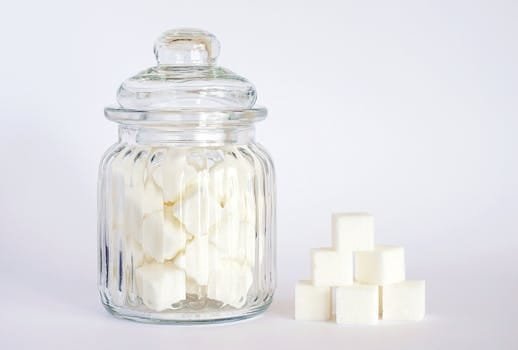
Table of Contents
Hidden Sugars in Your Diet
Added sugar is everywhere in today’s food supply. Most of it hides in foods sold as healthy or savory. If you never read the label, you eat far more sugar than you think.
The American Heart Association gives a clear daily limit. Women should stay under 25 grams, which is about 6 teaspoons. Men should stay under 36 grams, which is about 9 teaspoons.
Eating more than that over time raises your risk of:
- Weight gain and obesity
- Type 2 diabetes
- Heart disease
- Fatty liver (fat that builds up inside your liver) and NAFLD (the medical name for fatty liver)
- Dental problems
20 Surprising Foods High in Sugar
Here are 20 everyday foods that carry more sugar than you would guess. Read the list slowly. You will likely find at least four items sitting in your own kitchen.
- Granola bars: Many granola bars contain more sugar than a candy bar. That makes them a poor snack for anyone watching their weight.
- Flavored yogurt: Yogurt is a great source of protein and good gut bacteria. But many flavored varieties are loaded with added sugar.
- Store-bought smoothies: Smoothies can be a healthy way to get your daily fruit and vegetables. Yet many shop versions are packed with sugar.
- Salad dressings: Creamy salad dressings often carry high amounts of sugar to balance out the sour taste.
- Tomato sauce: Tomato sauce is a daily staple in many homes, yet it can hold a surprising amount of added sugar.
- Sports drinks: These are sold to refill your body after a workout. Many contain more sugar than a glass of soda.
- BBQ sauce: A common dip for grilled meat. One serving can hold as much as 12 grams of sugar.
- Breakfast cereal: Many cereals sold as healthy are actually loaded with sugar. They often carry more than 10 grams per serving.
- Baked beans: A classic side dish. Many canned varieties are packed in sauce with added sugar.
- Protein bars: Most protein bars add sugar to improve the flavor and the texture.
- Instant oatmeal: A quick and easy breakfast. Many varieties add sugar and artificial flavors.
- Energy bars: Marketed as a healthy snack, yet many varieties are packed with sugar and artificial ingredients.
- Ketchup: A favorite dip for burgers and fries. One tablespoon can hold up to 4 grams of sugar.
- Fruit juice: Juice gives you vitamins, but it can hold as much sugar as a glass of soda.
- Peanut butter: Peanut butter is a good source of protein. Yet some brands add sugar to improve the taste.
- Sweetened tea: Sweet tea is hugely popular in the south. A sweet glass can hold as much sugar as a can of soda.
- Frozen yogurt: Often sold as a healthier option than ice cream. Many varieties still carry added sugar.
- Canned fruit: Canned fruit is an easy fruit choice. Yet many varieties are packed in sweet syrup.
- Canned soup: Many canned soups add sugar to balance out the salty taste of the broth.
- Teriyaki sauce: A popular sauce in Asian cooking. One tablespoon can hold up to 5 grams of sugar.
Sugar content changes a lot between brands. The same product name can carry very different numbers. So always check the nutrition label for the exact figure before you buy.
Quick Sugar Check: Know Your Numbers
| Food Item | Added Sugar Per Serving | My Simple Swap |
|---|---|---|
| BBQ sauce | Up to 12 g | Mix roasted jeera powder with lemon and salt |
| Breakfast cereal | Often over 10 g | Vegetable dalia upma with onion and curry leaf |
| Teriyaki sauce | Up to 5 g per tablespoon | Home soy-tamarind glaze with less sugar |
| Ketchup | Up to 4 g per tablespoon | Roasted tomato and carrot chutney |
| Flavored yogurt | High, brand by brand | Plain curd with roasted makhana and jeera |
| Sweetened tea | As much as a can of soda | Roasted jeera chaas, strained and unsweetened |
Figures show typical label values. Brands vary, so always read your own packet.
How Much Sugar Is Too Much?
For most people, the limit they can feel in their blood is much lower than the official one. A single can of cola often carries more than 35 grams. That is the full daily limit for a man, in one drink.
Indian home cooking rarely needs added sugar. Our traditional foods use vegetables, dal, roti, rice, curd, and ghee. The sugar problem in most families comes from packaged items, not from the Indian thali.
Think of the glycemic index (a score that shows how fast a food raises your blood sugar) as a rough guide. Sugar and refined flour score very high. Whole dalia, oats, and vegetables score low. If you swap the high scorers for low scorers, your blood sugar steadies without any drastic change.
What Hidden Sugar Does to Your Body
Here is what happens when that hidden sugar adds up over the months.
1. Your pancreas works overtime. Every sweet item makes your body release insulin, a hormone that moves sugar into your cells. Constant demand makes the job harder over time.
2. You develop insulin resistance (when your cells stop responding properly to insulin). Think of insulin as a key that opens your muscle cells so sugar can enter for energy. When insulin resistance develops, the locks get rusty and jammed. Sugar then stays in your blood instead of entering your cells.
3. Sugar piles up in your liver. Your liver is an energy warehouse. When you give it more sugar than your body can burn, it packs the extra into fat boxes stored inside the warehouse walls. Over time this shows up as fatty liver and a raised HbA1c (a simple test that shows your three-month blood sugar average).
4. Your blood fat rises. Your triglycerides (a type of fat in your blood that shows up on your lipid profile test) go up. High levels raise your heart risk.
5. Sugar feeds low-grade inflammation (swelling and heat that your body keeps against itself). This swelling worsens insulin resistance and damages blood vessels over time.
A key marker on your blood report is fasting insulin (a simple blood test that shows how hard your pancreas is working). If it is high, your body is already struggling. Your thyroid (a small gland that controls energy, weight, and sugar balance) can also affect the same numbers.
If this sounds familiar, please do not panic. A fatty liver often improves when you reduce added sugar. My guide on reversing Grade 1 fatty liver with an Indian diet explains the full protocol.
The Label Test in Ten Seconds
You do not need to count calories to catch hidden sugar. You only need ten seconds at the shelf. Pick up the pack, turn it around, and read two lines.
Line one: the Ingredients. If sugar appears in the first three items, or if you see syrup, maltose, dextrose, fructose, or sucrose, leave it on the shelf. Sugar is often listed under several names to stay low on the label.
Line two: Added Sugars. It sits under Carbohydrates on the Nutrition Facts panel. Compare it with 5 grams. Anything above 5 grams per 100 grams is high. A serving of 5 grams is about one teaspoon.
Line three: the serving size. Companies pick tiny servings to make sugar look small. If the pack says one serving is 30 grams, you are not really eating one serving.
Line four: the drinks. Check the bottle, not the powder. A single large glass of sweetened tea or packaged juice can easily hold 30 to 40 grams of sugar.
The front of the pack is marketing. The back is fact. Read the back.
Indian Kitchen Fixes That Work
Cutting hidden sugar does not mean an unhappy kitchen. Indian food can be low in added sugar and still taste full. Here is the method I give every patient.
🥗 The 50/25/25 Indian Plate Formula
Half Plate: Sabzi and Salad
Fill half your katori with two vegetable dishes, a raw salad, and cucumber. Fiber here acts like a brake pedal. It slows how fast sugar reaches your blood.
Quarter Plate: Dal or Protein
Add thick dal, chana, paneer, eggs, chicken, or fish. Protein keeps you full for hours and slows sugar absorption.
Quarter Plate: Smart Carbs
One or two phulka, or a small katori of brown rice or a millet like jowar. Keep the portion modest.
🔑 The Golden Eating Sequence
Eat in this order at every meal. It costs nothing extra and it noticeably lowers your sugar spikes.
1. Salad and sabzi first.
2. Dal or protein second.
3. Roti or rice last.
Six Swaps You Can Make This Week
- Sweet tea to roasted jeera chaas. Boil water with jeera, let it cool, then strain. Skip the sugar entirely. This one swap alone can remove a large part of your daily sugar load.
- Granola bar to roasted makhana. Roast makhana in a little ghee with a pinch of salt and jeera. You get crunch without the sugar.
- Boxed smoothie to a home blender glass. Blend curd, cucumber, mint, and a few seeds. No added sugar needed.
- Packet breakfast cereal to vegetable dalia upma. Boil broken wheat, then add onion, tomato, curry leaf, and a spoon of oil. A filling meal with no hidden sugar.
- Jarred ketchup to homemade chutney. Roast tomato and carrot with a little jeera, then add salt and lemon. Far better than the bottled version.
- Canned soup to home vegetable soup. Simmer mixed vegetables with ginger and black pepper. You control the salt and the sugar.
My patients who make just these six swaps usually report better energy within two weeks. To understand how sugar and fiber shape digestion, read my guide on gut digestion and nutrient absorption for fat loss.
Tips for Avoiding Hidden Sugars
- Read labels carefully. Check the Added Sugars line every single time. Brands change their recipe often.
- Choose whole, unprocessed foods. Vegetables, fruits, whole grains, dalia, oats, and dal are naturally low in added sugar.
- Make your own sauces at home. You control every teaspoon that goes in.
- Pick unsweetened versions. Choose plain curd, plain oatmeal, and unsweetened peanut butter.
- Watch your portion sizes. Even a healthy food turns unhealthy in a large quantity.
- Use honey and jaggery sparingly. Even natural sweeteners raise your blood sugar the same way.
- Drink your water first. Many times you feel thirsty, not hungry. Fill a glass of water, wait ten minutes, then decide.
- Do not drink your calories. Sugary drinks give no lasting fullness. They send your sugar up and down all day.
Small, steady changes work far better than a strict crash diet that you abandon next month. If you want help with your own situation, my guide on food as medicine for diabetes explains the clinical approach.
Personalized Nutrition Guidance
If you are struggling with your diet and worried about hidden sugar, please seek proper guidance. As a registered dietitian, I can look at your blood reports, your thyroid report, and your daily routine together. Then we can build a plan that suits your food habits and your budget.
Do not hesitate to schedule a consultation. Together we can work towards a healthier and happier you.
Take the first step towards a healthier you! Fill out our patient history form to book a consultation with Dr. Sumaiya and receive personalized advice.
Fill Patient History Form & Book NowReferences
- American Heart Association. (2021). Added Sugars. https://www.heart.org/en/healthy-living/healthy-eating/eat-smart/sugar/added-sugars
- Centers for Disease Control and Prevention. (2023). Get the Facts: Added Sugars. https://www.cdc.gov/nutrition/data-statistics/added-sugars.html
#nutritionist #nutritioncoach #healthyeating #dietplan #healthydiet #balanceddiet #weightlossjourney #fatloss #eatwell #nutrientdense #guthealth #dietaryfiber #wholefoods #healthyhabits #lifestylechanges #nutritioneducation #mindfuleating #portioncontrol #caloriecontrol #physicalactivity #nutritioncounseling #hiddensugar #sugarawareness #bloodsugar
Looking for a Personalized Clinical Nutrition Protocol?
Managing your health requires addressing your unique metabolic biomarkers, digestive transit, and root causes. Dr. Sumaiya provides individualized medical nutrition therapy tailored to your lifestyle.
- Comprehensive Blood & Biomarker Audit (HbA1c, Fasting Insulin, Lipid Ratios, Thyroid/Liver)
- Root-Cause Metabolic Mapping & Dietary Assessment
- 100% Customized Indian Meal Protocol with Continuous Weekly Monitoring
In-Clinic at Frazer Town, Bengaluru & Telehealth Pan-India / Globally | Call/WhatsApp: +91 7208660987