Good nutrition is an important part of managing many health conditions. Proper nutrition can help maintain or improve overall health, manage specific health conditions, and reduce the risk of developing certain health problems.
Here is a brief overview of how nutrition can play a role in managing specific health conditions:
High blood pressure: A diet that is high in fruits, vegetables, whole grains, and low-fat dairy products and that is low in sodium, saturated fat, and added sugars can help lower blood pressure. Limiting the intake of alcohol and caffeine may also be beneficial.
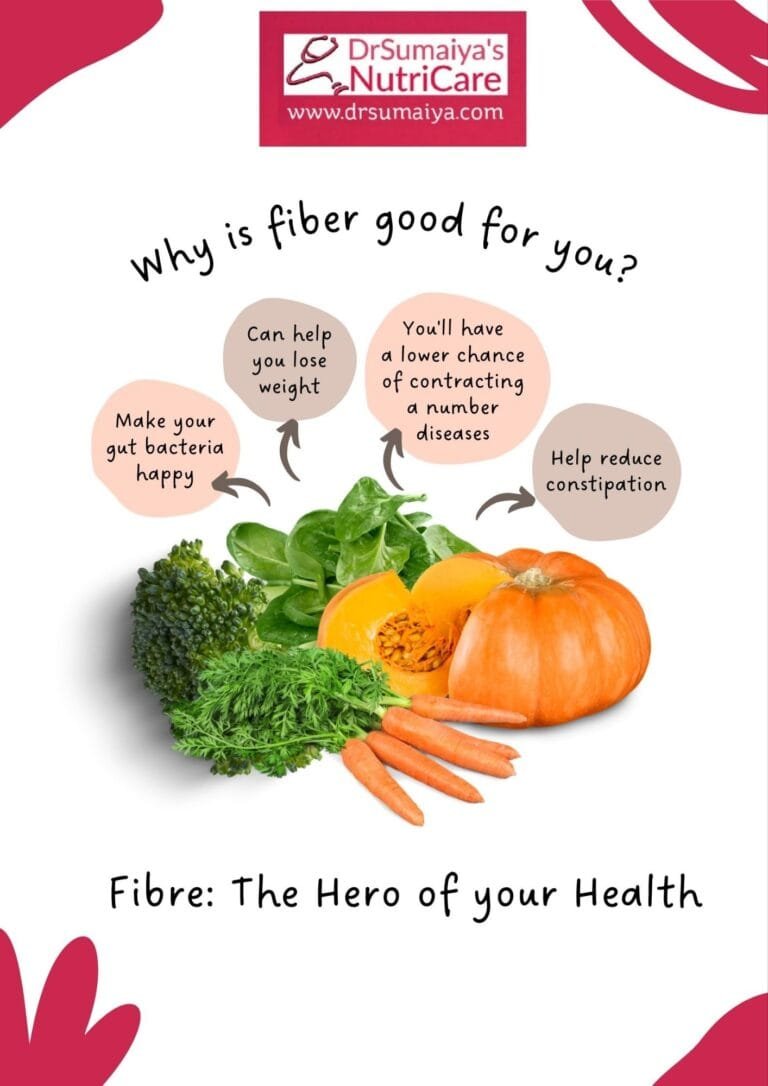
High cholesterol: A diet that is low in saturated fat, trans fat, and cholesterol and that includes plenty of fruits, vegetables, and whole grains can help lower cholesterol levels. Including foods that are high in soluble fiber, such as oats, beans, and nuts, may also be helpful.
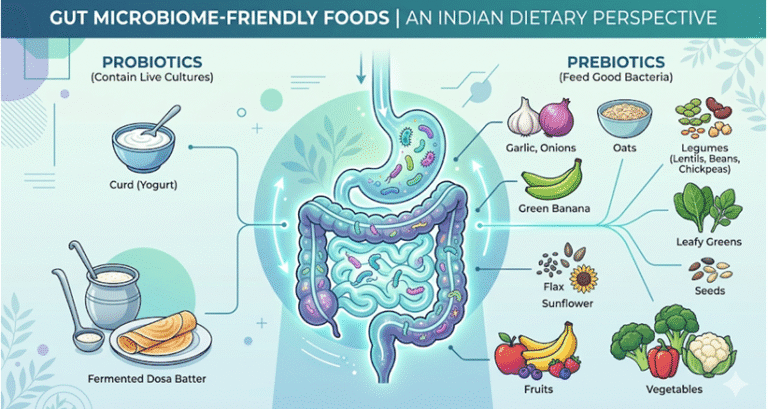
Digestive issues: The specific dietary recommendations for managing digestive issues will depend on the specific condition. For example, people with inflammatory bowel disease (IBD) may need to follow a low-fiber diet or a diet that excludes certain foods, such as dairy products or foods that are high in fat. People with irritable bowel syndrome (IBS) may need to follow a low-FODMAP diet to help manage symptoms.
It’s important to note that nutrition is just one part of managing these conditions, and it’s important to work with a healthcare provider to develop a treatment plan that is right for you.
Frequently Asked Questions
1. What is the most effective dietary strategy to lower high triglycerides?
Triglycerides respond dramatically to eliminating added sugars, refined carbohydrates, and alcohol while increasing soluble fiber and omega-3 fatty acids. Most patients see a 30–50% drop within 6 to 8 weeks.
2. Is dietary cholesterol (like egg yolks) harmful for heart health?
For the majority of people, dietary cholesterol has minimal impact on blood LDL levels compared to saturated fats, trans fats, and refined carbs. Whole eggs provide valuable choline, lutein, and fat-soluble vitamins.
3. How do Indian cooking oils impact cardiovascular risk?
Avoid repeatedly heated seed oils and trans-fat vanaspati. Opt for traditional cold-pressed mustard, sesame, or groundnut oils alongside virgin olive oil and moderate pure A2 ghee for optimal lipid ratios.
About this guide
This guide provides general health information. Your own care depends on your medical history and circumstances. Speak with your treating clinician before changing medicines or treatment.
Read our medical disclaimer

About the author
Dr Sumaiya Petiwala
Dr. Sumaiya Petiwala, RD, BUMS, CDE is a licensed Clinical Physician, Registered Dietitian, and Certified Diabetes Educator with 18+ years of clinical experience and 80,000+ patient transformations. She specializes in evidence-based Medical Nutrition Therapy (MNT), root-cause Type 2 Diabetes reversal, metabolic fat loss, PCOS management, and fatty liver (MASLD) recovery.
More about Dr Sumaiya Petiwala →Looking for a Personalized Clinical Nutrition Protocol?
Managing your health requires addressing your unique metabolic biomarkers, digestive transit, and root causes. Dr. Sumaiya provides individualized medical nutrition therapy tailored to your lifestyle.
Our 3-Step Medical Correction Process:- Comprehensive Blood & Biomarker Audit (HbA1c, Fasting Insulin, Lipid Ratios, Thyroid/Liver)
- Root-Cause Metabolic Mapping & Dietary Assessment
- 100% Customized Indian Meal Protocol with Continuous Weekly Monitoring
Opens WhatsApp. Your appointment is confirmed by the clinic.