
Ramadan fasting means no food or water from dawn to sunset for a month. Done right, it can improve your blood sugar, energy, and weight. Done wrong, it brings headaches, cravings, and sugar spikes. This guide gives you Dr. Sumaiya’s complete Ramadan nutrition plan: what to eat at Suhoor (the pre-dawn meal) and Iftar (the meal that breaks the fast), how much to drink, and how to fast safely with diabetes or other health conditions.
Break your fast with 1 date and water, then salad or soup, then protein — and eat whole grains last. At Suhoor, build your meal on slow-digesting complex carbohydrates with protein. Drink 2.5–3 liters of water between Iftar and Suhoor. If you take diabetes medicines, monitor your glucose and adjust doses only with medical supervision.
Dr. Sumaiya’s recommendation:
1. What Is Tailored Nutrition for Ramadan?
Tailored nutrition means your diet plan is built around your body — your blood reports, your work hours, your family’s food culture. Not a generic template from the internet.
During Ramadan, this matters more than at any other time of year. Your eating window shrinks. Your body runs on stored energy for 12–15 hours. Blood sugar, blood pressure, and hydration all shift.
Dr. Sumaiya is a nutrition consultant who builds personalized dietary strategies. Her approach respects cultural and religious practices while using modern clinical science. That is why her Ramadan plans work for people with diabetes, thyroid problems (a small gland in the neck that controls how your body uses energy), and metabolic syndrome (a cluster of problems — high blood sugar, extra belly fat, and high blood pressure — that raises heart disease risk).
This is the same “food as medicine” thinking behind personalized diets that can push type 2 diabetes into remission. Fasting does not change the rule. It only changes the timing.
2. Suhoor vs Iftar: Your Ramadan Nutrition Table
Suhoor (the pre-dawn meal) is your fuel tank. Iftar (the meal that breaks the fast) is your recovery meal. They need different foods. Most fasting mistakes happen at these two meals.
Here is the table Dr. Sumaiya’s own patients follow:
| What to eat | At Suhoor (pre-dawn) | At Iftar (breaking the fast) |
|---|---|---|
| Protein | Eggs, paneer, dal, yogurt, grilled chicken — keeps you full for hours | Grilled chicken, fish, paneer, or lentils after salad and soup |
| Complex carbohydrates (slow-digesting carbs that release energy steadily) | Oatmeal, whole grain bread, quinoa, sweet potato, brown rice | Moderate portions of whole grains — eaten last, not first |
| Vegetables & fruit | A fruit portion; cucumber and tomato with your meal | A large vegetable salad or clear soup before the main course |
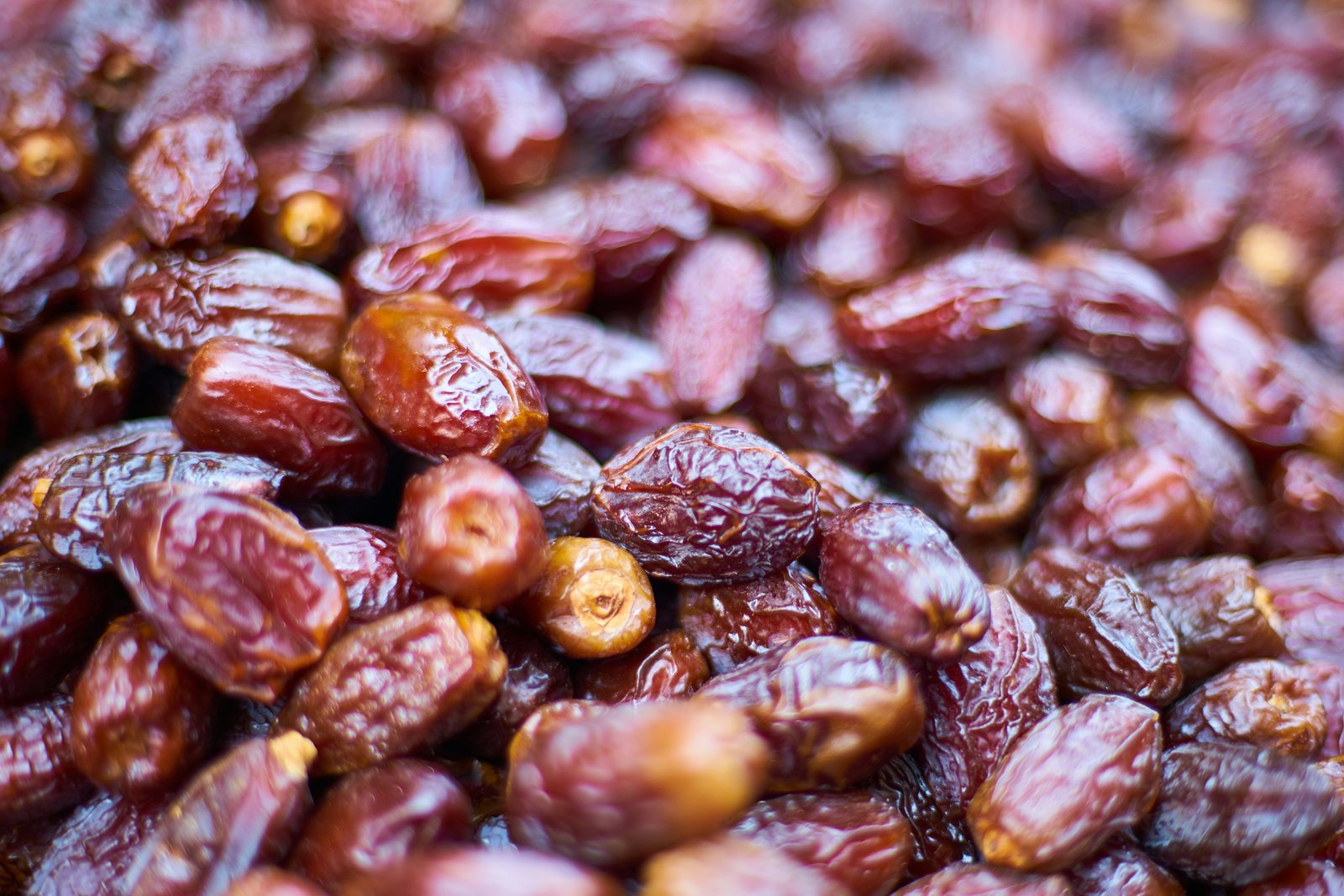
| Natural sweetness | A few dates, if you like — they give quick energy before the fast begins | Start with 1 date and water (the Sunnah way) — not a plate of fried sweets |
| Fluids | 1–2 glasses before dawn; water-rich foods like watermelon | 1–2 glasses with the meal, then sip steadily until Suhoor |
| Limit | Salty foods (they make you thirsty all day), tea and coffee | Fried snacks, sugary drinks, heavy desserts right after the fast |
A sample balanced day: Break your fast with 1 date and water. Wait, then have a large salad or clear soup. Next comes grilled chicken with quinoa and mixed vegetables — a meal rich in vitamins, minerals, and protein. Keep a few dates for sweet cravings; they are famous for their energy-boosting power. End the night with steady hydration until Suhoor.
Choosing your grains matters more than most people think. Low-glycemic (slow to raise blood sugar) picks like quinoa, sweet potato, and brown rice release energy steadily. See Dr. Sumaiya’s dietitian guide to choosing the right rice for blood sugar management for the full glycemic index (a scale that shows how fast each food raises your blood sugar) chart.
3. How Many Hours Is Ramadan Fasting? (Intermittent Fasting, Explained)
In most countries, Ramadan fasting lasts about 12–15 hours a day, from dawn to sunset. That makes Ramadan the world’s largest month-long practice of intermittent fasting (an eating pattern that alternates between fasting periods and eating windows — it changes when you eat, not what you eat).
Popular intermittent fasting methods include:
| Method | How it works | Best suited for |
|---|---|---|
| 16/8 | Fast 16 hours, eat within an 8-hour window (for example, first meal at noon, last meal by 8 PM) | Beginners; most sustainable for daily routines |
| 5:2 | Eat normally 5 days a week; limit intake to about 500–600 calories on 2 non-consecutive days | People who prefer not to fast every day |
| Alternate-day fasting | Alternate normal eating days with fasting or very-low-calorie days | Experienced fasters with medical guidance |
| Warrior diet | Small raw fruit/vegetable snacks by day, one large meal at night | Advanced; not recommended during Ramadan or for diabetics |
Ramadan itself follows the 16/8 pattern — a long fasting window, then an eating window at night. Research shows this kind of pattern can improve insulin sensitivity (how well your cells respond to insulin, the hormone that moves sugar out of your blood), support fat loss, and calm inflammation (your body’s stress response that, when constant, quietly damages blood vessels and joints). Some studies also point to brain-health benefits.
One caution: fasting does not give you a free pass at the table. The eating window is where weight is won or lost. Nutrient-dense foods (foods packed with nutrition per calorie) keep the fast healthy. Fried snacks undo it.
4. 5 Science-Backed Health Benefits of Ramadan Fasting
When food intake is limited to specific hours, your body uses stored fat for energy. This supports weight loss and steadier blood sugar — which lowers the long-term risk of type 2 diabetes and cardiovascular problems.
Complex carbohydrates and protein at Suhoor prevent the mid-day crash. This matters for everyone, and it is critical for people with diabetes.
Fasting switches on autophagy (your body’s natural clean-up process, where cells remove and recycle their own damaged parts). Researchers link this process to long-term cellular health.
Many people report better alertness and concentration during fasting hours. Better hydration and steady blood sugar amplify this effect.
Shared Iftar meals, prayer, and routine build emotional resilience. Mental well-being is part of metabolic health.
To capture these benefits, the diet around the fast must be right: nutrient-dense foods, steady hydration in non-fasting hours, and a balance of carbohydrates, protein, and healthy fats. Evidence from ICMR-NIN 2024 and the ADA’s fasting guidance supports this approach. Poor digestion during Ramadan usually traces back to heavy, fried Iftar meals — see how to improve digestion for better health.
5. Fasting With Diabetes, High Blood Pressure, or Obesity
Fasting with a health condition needs a plan made for you. Here is how Dr. Sumaiya manages the three most common cases in her clinic:
If you have diabetes (a condition where blood sugar stays too high), balance your carbohydrate intake, check your glucose regularly — especially before Iftar — and never adjust medicines on your own. Whole grains, lean proteins, and healthy fats keep energy steady and prevent sugar spikes. If your reading drops below 70 mg/dL, break the fast immediately.
Hypertension (high blood pressure) and high cholesterol both respond to diet. Fruits, vegetables, and whole grains support healthy blood pressure. Cutting fried Iftar snacks lowers the load on your heart within weeks — not through any miracle promise, but through plain physiology.
Overeating at Suhoor and Iftar is the most common fasting mistake. Dr. Sumaiya coaches portion control, nutrient-dense food choices, and steady hydration, so weight comes down gradually without harming your health during the holy month.
Herbs and spices add flavor and support digestion. For stubborn bloating or acidity while fasting, get a tailored plan instead of guessing.
6. Real Results From Dr. Sumaiya’s Nutricare Clients
Dr. Sumaiya’s Nutricare has guided many clients through weight management with intermittent fasting and Ramadan-timed meal plans.
- One client reported a clear lift in energy levels and mood within a few months of adopting the fasting plan — alongside a weight reduction of nearly 10%.
- Another client rebuilt his relationship with food. He learned to enjoy meals without the constant urge to snack through the day.
Results vary by person, health status, and consistency. That is exactly why the plan is tailored — and why every client checks in with monitoring rather than following a printed chart.
7. 7 Tips for a Successful and Safe Fast
1 date and water first. Then a large salad or clear soup. Then protein. Whole grains last. Eating slowly gives your body time to signal fullness — and prevents the post-Iftar crash.
Oatmeal or whole grain bread, eggs or dal or yogurt, and a fruit. Complex carbohydrates provide long-lasting energy through the fasting day.
Aim for 2.5–3 liters between Iftar and Suhoor — about 10–12 glasses — spread evenly. Plain water, lemon water, and unsweetened herbal teas all count.
Cucumber, tomatoes, watermelon, and soups add hydration without you noticing. They also curb hunger between meals.
Tea and coffee speed up fluid loss and worsen daytime headaches. Keep them minimal — or swap for herbal teas.
Keep busy during fasting hours — light activity, prayer, work. Cravings pass when your attention moves. Keep healthy snacks ready for the eating window instead of fried options.
Diabetes or blood pressure medicines usually need timing changes during Ramadan. Do this with medical supervision before the month begins, not mid-crisis.
8. The Takeaway: A Healthier Month, A Healthier You
Ramadan fasting can feel daunting when health goals are riding on it. It does not have to be. With a personalized nutrition plan, you can hold your energy through the day, protect your blood sugar, and finish the month healthier than you started it.
The habits you build in this month — portion control, steady hydration, mindful eating — are the same habits that protect your health for life. Ramadan is simply the best training ground you will ever get.
Frequently Asked Questions
About this guide
This guide provides general health information. Your own care depends on your medical history and circumstances. Speak with your treating clinician before changing medicines or treatment.