Grocery costs in Bangalore vary a lot based on your shopping spots, habits, and daily food choices. While some residents cook healthy home meals for ₹4,500 a month per person, others spend over ₹16,000 on delivery apps and fancy organic labels. This 2026 doctor’s guide breaks down the real cost of eating well in Bengaluru. We show where your money goes, compare quick delivery apps with local mandis, and share easy Indian kitchen tips to cut costs while protecting your metabolic health.
🩺 Quick Doctor’s Take: What Does Healthy Eating Cost in Bangalore in 2026?
A single adult in Bangalore can eat a healthy, nutrient-rich diet for ₹4,500 to ₹7,000 per month. You can do this by buying whole dals, local greens from HOPCOMS or mandis, and basic grains in bulk. Relying purely on 10-minute delivery apps drives monthly food bills up to ₹14,000–₹18,000 without boosting nutritional value. Dr. Sumaiya’s recommendation: Build your plate around affordable Indian kitchen staples (eggs, toor dal, fresh greens, sprouts) and use quick delivery apps only for true emergencies.
Current Grocery Cost Trends in Bangalore (2026)
Bangalore’s rapid growth has changed how people shop for daily food. In recent years, city food prices, delivery fees, and platform costs have risen. Today, monthly grocery spending for a single adult in Bengaluru ranges from ₹4,500 to ₹9,000 for standard home cooking. For couples, monthly grocery costs usually range from ₹8,500 to ₹16,000. Families of four spend between ₹15,000 and ₹26,000, depending on where they shop.
Yet, spending more money does not always mean better health. Many city professionals buy costly boxed cereals, granola bars, and imported fruit. Yet they still struggle with high fasting insulin (a blood marker that measures baseline insulin production) and stubborn visceral fat (deep belly fat surrounding vital organs). Good nutrition starts with whole, simple foods found right in local Bangalore markets.
| Household Type | Smart Saver Budget (Mandi & Bulk) | Moderate Hybrid Budget | App-Reliant / Premium Budget |
|---|---|---|---|
| Single Person | ₹3,800 – ₹5,500 | ₹6,500 – ₹9,500 | ₹13,000 – ₹18,000+ |
| Couple (2 Adults) | ₹7,500 – ₹10,500 | ₹12,000 – ₹16,000 | ₹22,000 – ₹30,000+ |
| Family of 4 | ₹14,000 – ₹18,000 | ₹19,000 – ₹26,000 | ₹32,000 – ₹45,000+ |
Breaking Down the Monthly Grocery Basket
To cut your food bills, see where your rupees go each week. In most city homes, grocery costs split into four main groups:
- Core Staples (25–30% of spend): Grains, dals, and cooking oils. Toor dal, moong dal, whole wheat atta, and cold-pressed mustard or groundnut oil form the core of your meals.
- Fresh Produce (25–35% of spend): Fresh vegetables, green leaves, and local fruits. In Bangalore, buying local greens like palak, methi, ridge gourd, bottle gourd, and beans gives great dietary fiber (the plant part that aids bowel movements and fullness) at a modest price.
- Quality Proteins & Dairy (20–30% of spend): Fresh eggs, paneer, curd, milk, chicken, or local fish. Getting enough protein keeps your muscles strong and curbs blood sugar spikes after meals.
- Packaged Snacks & Drinks (15–25% of spend): Chips, namkeen, instant noodles, and daily ordered tender coconut. This group burns money fastest while offering almost zero health gain.
The Hidden Cost of Quick Commerce: Apps vs. Local Mandis
In hubs like Koramangala, Indiranagar, HSR Layout, and Whitefield, 10-minute grocery apps are common. But this ease comes at a high price. Ordering lots of tiny deliveries adds hidden costs:
- App Markups: Items on quick apps often cost 15% to 30% more than in local stores. Extra fees like surge, rain, handling, and tip fees add ₹40 to ₹90 each time.
- Impulse Snacks: Apps place flashy banners for biscuits, chocolates, and sodas right at payment. These quick picks add empty calories and push bills up.
- Pre-Cut Veggie Costs: Cut beans, peeled garlic, and diced squash cost twice as much as whole vegetables. They also lose fresh vitamins when kept in plastic tubs for hours.
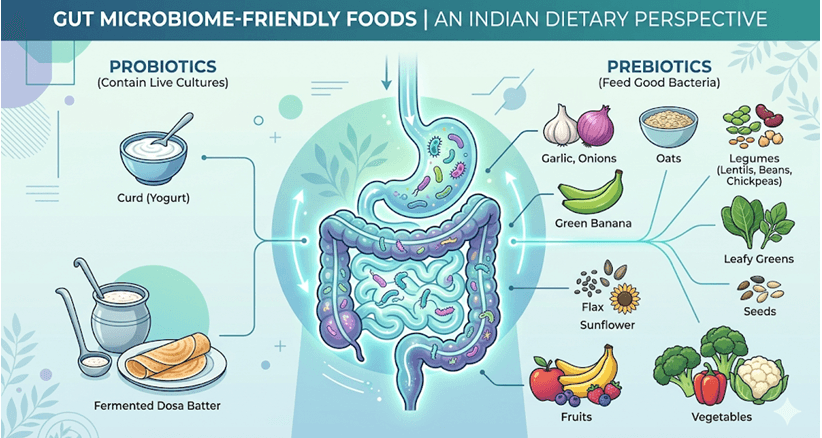
Drinking one tender coconut daily is a great Bangalore habit. On delivery apps, one coconut costs ₹70 to ₹85. That adds up to ₹2,100–₹2,550 a month. Getting the same coconut from street carts in Frazer Town or Malleshwaram costs ₹45 to ₹55, saving up to ₹1,200 a month. Even better, homemade cumin buttermilk (chaas) provides a natural probiotic (healthy live bacteria that aid gut digestion) for less than ₹8 a glass.
Where to Shop in Bangalore: HOPCOMS, Mandis & Supermarkets
Bangalore has great spots to get fresh farm food at fair rates. Knowing where and when to shop helps you eat well for less:
- HOPCOMS Outlets: HOPCOMS runs hundreds of green kiosks across Bengaluru. They buy straight from Karnataka farmers, offering government-set rates that are 20% to 40% cheaper than delivery apps for seasonal greens, gourds, and local fruit.
- Historic Wholesale Mandis: For bulk dry goods and weekly vegetables, visiting Russell Market in Shivajinagar, KR Market, or Gandhi Bazaar on weekday mornings yields big savings on pulses, spices, and nuts.
- Supermarkets for Bulk Dry Goods: Large stores like D-Mart and Star Bazaar offer deep discounts on lentils, unpolished rice, cold-pressed oils, and spices when purchased in 5kg or 10kg bags.
High-Nutrition, Low-Cost Indian Kitchen Staples
You do not need imported chia seeds, berries, or almond butter to stay healthy. Simple Indian kitchen foods give elite nutrition at a fraction of the cost. Here is how daily kitchen foods compare in health value and price:
| Food Category | Costly Trend Item | Smart Indian Kitchen Swap | Clinical Nutrition Benefit |
|---|---|---|---|
| Daily Protein | Imported Whey / Protein Bars ₹180–₹350 / serving | Boiled Whole Eggs & Sprouted Kala Chana ₹14–₹25 / serving | Complete protein with natural iron, choline, and healthy gut fiber. |
| Omega-3 & Fiber | Imported Chia Seeds ₹450–₹750 / 500g | Roasted Indian Flaxseeds (Alsi) ₹90–₹140 / 500g | Provides vital plant omega-3 fats and prebiotic (nourishing fiber that feeds your gut bacteria) compounds. |
| Antioxidants | Imported Blueberries ₹350–₹500 / 125g | Fresh Indian Gooseberry (Amla) ₹40–₹70 / 500g | Delivers over 20 times more natural vitamin C per gram to support immune health. |
| Flour & Roti | Boxed Gluten-Free Mixes ₹280–₹450 / kg | Whole Ragi (Finger Millet) & Khapli Atta ₹45–₹95 / kg | Has a low glycemic index (a measure of how quickly a food raises blood sugar) and steady energy release. |
Real-World Case Study: ₹5,000 Smart Saver vs. ₹15,000 App-Dependent
Consider two real shopping styles seen among working adults in Bengaluru:
Rohan (App-Dependent, ₹15,200/month): Rohan orders from delivery apps 4 to 5 times each week. He buys pre-cut fruit bowls, almond milk, and packaged snacks. In spite of spending a lot, his meals lack clean protein. He gets too much sodium and refined oil from ready-to-eat foods. His latest lab tests show rising triglycerides (blood fats that rise with excess refined carbs) and poor energy.
Priya (Smart Saver, ₹5,400/month): Priya spends 30 minutes once a month at a wholesale store for bulk dals, spices, and grains. Every Saturday, she visits her neighborhood HOPCOMS for fresh greens, eggs, and local vegetables. She makes fresh curd at home and sprouts green moong on her counter. Priya easily gets 65 grams of daily protein. Her HbA1c (a standard blood test showing your 3-month average blood glucose) stays healthy at 5.2%.
Dr. Sumaiya’s 50/25/25 Plate & Meal Sequencing Protocol
Eating well on a budget does not mean starving yourself. At Dr. Sumaiya NutriCare Clinic, we guide patients using two simple clinical steps:
- The 50/25/25 Indian Plate Method: Fill half your lunch and dinner plate with high-fiber greens and cooked sabzi. Keep one quarter of your plate for protein (thick dal, chana, paneer, eggs, chicken, or fish). Use the remaining quarter for whole grains (one roti, a bowl of ragi mudde, or brown rice).
- The Golden Meal Sequencing Order: Eat your vegetables and salad first. Eat your dal or protein second. Eat your rice or roti last. Fiber acts like a natural brake pedal in your stomach, slowing down carb absorption and stopping rapid sugar spikes.
Read more on practical nutrition plans in our guide on the Indian protein paradox and metabolic health. You can also view the national ICMR-NIN dietary guidelines to check your daily food targets.
📌 Clinical Citation Unit: What is the cheapest way to hit daily protein goals in Bangalore?
“In Bangalore, pairing boiled whole eggs (₹7 each) with sprouted green gram (moong dal at ₹120/kg) and homemade curd gives you 60 to 70 grams of complete protein for under ₹45 a day. This simple food pair builds muscle and keeps you full far better than costly protein powders, while keeping your monthly food budget easily under ₹5,500.”
The Clinical Takeaway: Health Biomarkers vs. Food Expenses
A higher grocery bill does not ensure better health. Taking control of your meals with doctor-led advice saves you thousands in future clinic visits and medications. Whether you are managing your thyroid (your metabolic gland) or high blood sugar, whole foods are your best medicine. Learn how to cut hidden oils and sugars in our guide on hidden calories in Indian cooking oils and chai.
Frequently Asked Questions
References
- Indian Council of Medical Research & National Institute of Nutrition (ICMR-NIN). Dietary Guidelines for Indians: A Manual. Hyderabad: ICMR-NIN, 2024. https://www.nin.res.in
- Food Safety and Standards Authority of India (FSSAI). Eat Right India Handbook & Dietary Diversification Guidelines. New Delhi: Ministry of Health and Family Welfare, Government of India. https://www.fssai.gov.in
- World Health Organization (WHO). Healthy Diet Key Facts & Nutrient Adequacy. Geneva: WHO, 2024. https://www.who.int/news-room/fact-sheets/detail/healthy-diet
- American Diabetes Association (ADA). Standards of Care in Diabetes—2026: Facilitating Positive Health Behaviors and Well-being. Diabetes Care. 2026;49(Suppl 1):S73–S98. https://diabetesjournals.org/care
This guide provides general health information. Your own care depends on your medical history and circumstances. Speak with your treating clinician before changing medicines or treatment.