
Medically Verified & Evidence-Based | Authored by Dr. Sumaiya Petiwala, RD, BUMS, CDE (Registered Clinical Dietitian & Metabolic Health Specialist) | Aligned with ICMR-NIN Clinical Standards | Last Updated: October 2026
Many people think you only need a dietitian to drop weight fast. This is a common myth. Clinical nutrition is real medical therapy. Food shapes your cells, hormones, and organs. Consulting a qualified clinical dietitian helps you prevent disease. It also helps you reverse chronic health issues. At Dr. Sumaiya NutriCare Clinic, we use food as medicine to restore metabolic health.
Who Should Consult a Registered Dietitian?
Direct Clinical Answer: Anyone facing metabolic issues, low energy, or stubborn weight gains from seeing a Registered Dietitian. Dietitians review blood tests. They plan safe meals. They also fix poor insulin uptake. Unlike gym trainers, they treat illnesses safely with food.
6 Clinical Conditions That Require Doctor-Led Nutrition
If you experience any of these six health conditions, a clinical dietitian is essential:
- 1. Prediabetes and High Blood Sugar: Tracking HbA1c (a 3-month average of blood sugar levels) needs careful meals. We check fasting insulin (a morning blood test measuring baseline insulin levels). This helps reverse insulin resistance (where cells do not absorb glucose well). It also protects your pancreas.
- 2. Ovarian and Hormonal Health: Women with PCOS (polycystic ovary syndrome, a hormonal imbalance causing irregular cycles) face belly fat and missed periods. Good meals balance insulin. They help your thyroid (the neck gland that controls how fast your body burns energy). We track TSH (a blood test that checks your thyroid pace) to plan your food.
- 3. Hepatic and Liver Enzyme Health: Sitting too long causes fatty liver (a condition where fat builds up inside liver cells) and NAFLD (non-alcoholic fatty liver disease, a condition with excess liver fat). Clean food lowers high SGPT (a liver enzyme showing hepatic irritation). It also lowers SGOT (a liver enzyme released during cell damage) without pills.
- 4. Stubborn Visceral Belly Fat: Deep visceral fat (deep belly fat packed around internal organs) hurts heart health. A dietitian crafts meals that burn belly fat. These meals keep your muscle strong.
- 5. High Blood Fats and Immune Strain: Poor food choices spike triglycerides (blood fats tied to insulin levels). This causes chronic inflammation (cellular immune stress that hinders recovery). Clean nutrition heals your blood fats.
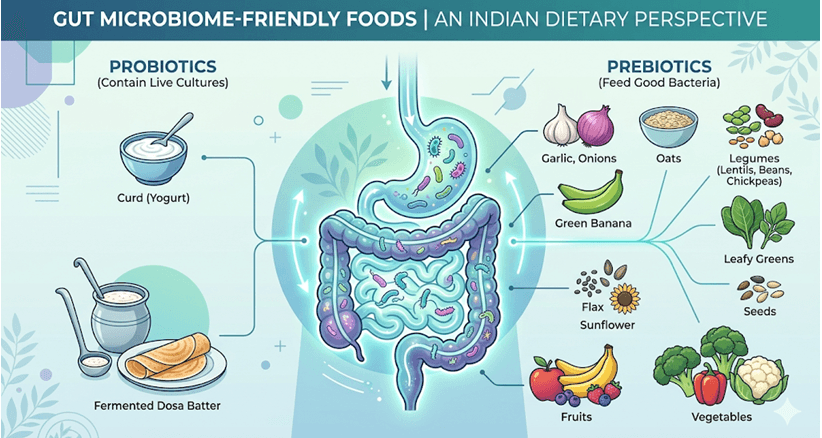
- 6. Chronic Gut Distress and Acidity: Constant gas, bloating, and acidity show poor gut balance. A doctor-led meal plan heals your gut lining gently.

📊 Medical Scope: Clinical Dietitian vs Unqualified Social Media Influencer.
Comparison: Registered Clinical Dietitian vs Commercial Gym Coach
Understand why clinical qualifications matter when your health is on the line:
| Attribute | Commercial Gym Coach | Registered Clinical Dietitian |
|---|---|---|
| Medical Training | Short gym course or self-taught | Master’s Degree and Clinical Care |
| Biomarker Testing | Cannot read medical blood tests | Reads blood, liver, and hormone labs |
| Treatment Scope | Generic calorie cuts and powders | Medical nutrition for chronic illness |
| Dietary Strategy | Rigid food bans and shakes | Home-cooked Indian meals for you |
Take Charge of Your Health with Clinical Nutrition
Get a personalized meal plan tailored to your blood markers. Schedule an in-clinic or online consultation with Dr. Sumaiya Petiwala today.
Book Clinical Consultation on WhatsApp →The 50/25/25 Indian Kitchen Plate Rule
Nutrition therapy works best when applied to your everyday home meals:
- 50% High-Fiber Sabzi & Salad: Fill half your plate with cucumber, palak, methi, cabbage, or bhindi. These provide prebiotic (plant fibers that nourish good gut bacteria) food. They also keep you full.
- 25% Clean Protein First: Eat your protein first. Choose paneer, boiled eggs, curd, sprouts, chicken, or fish. Protein preserves your lean muscle tissue.
- 25% Smart Complex Carbs: Finish with jowar roti, daliya, or brown rice. These have a low glycemic index (a scale measuring how fast foods raise blood sugar) and modest glycemic load (a ranking system for carbohydrate content and blood sugar impact). This avoids sudden sugar spikes.
Add fresh curd for probiotic (good live bacteria that support digestion) gut health. Use cold-pressed coconut or mustard oil for antioxidant (compounds that defend cells against daily wear and tear) protection.
The Dr. Sumaiya 3-Step Medical Correction Process
At Dr. Sumaiya NutriCare Clinic, we eliminate guesswork through structured clinical care:
- Step 1: Biomarker Analysis & Metabolic Audit: We review your complete blood panel. We check your insulin resistance, liver enzymes, and hormonal health.
- Step 2: Personalized Indian Nutritional Prescription: We build an easy home food plan with local foods. We tailor it for your unique metabolic pace.
- Step 3: Weekly Doctor-Led Monitoring: We assess your body metrics weekly. We adjust meal portions to keep your energy high.
🌟 Transform Your Health Today
Takes only 60 seconds to get personalized clinical insights.
"Lost 4kgs in one month... plans are simple and effective! She
responds to queries promptly."
– Payal J.
Frequently Asked Questions About Registered Dietitians
What is the difference between a dietitian and a nutritionist in India?
A Registered Dietitian holds an accredited master’s degree in clinical nutrition. They completed hospital internship training. In contrast, a nutritionist often only has a short fitness certificate.
Can a registered dietitian help reverse Type 2 diabetes?
Yes. With medical nutrition therapy, a dietitian helps improve insulin sensitivity. This burns visceral fat and brings HbA1c back to healthy ranges.
Do I need to take pills or protein powders during consultation?
No. Protocols at Dr. Sumaiya NutriCare Clinic rely on whole Indian home foods. We never use commercial powders or meal shakes.
How often should I consult my clinical dietitian?
Weekly reviews work best during your first month. This allows close tracking of lab changes, body shape, and daily habits.
Are online telehealth consultations as effective as in-clinic visits?
Yes. Telehealth consultations offer the same clinical depth. We review your lab tests and create custom meal plans just like an in-clinic visit.