
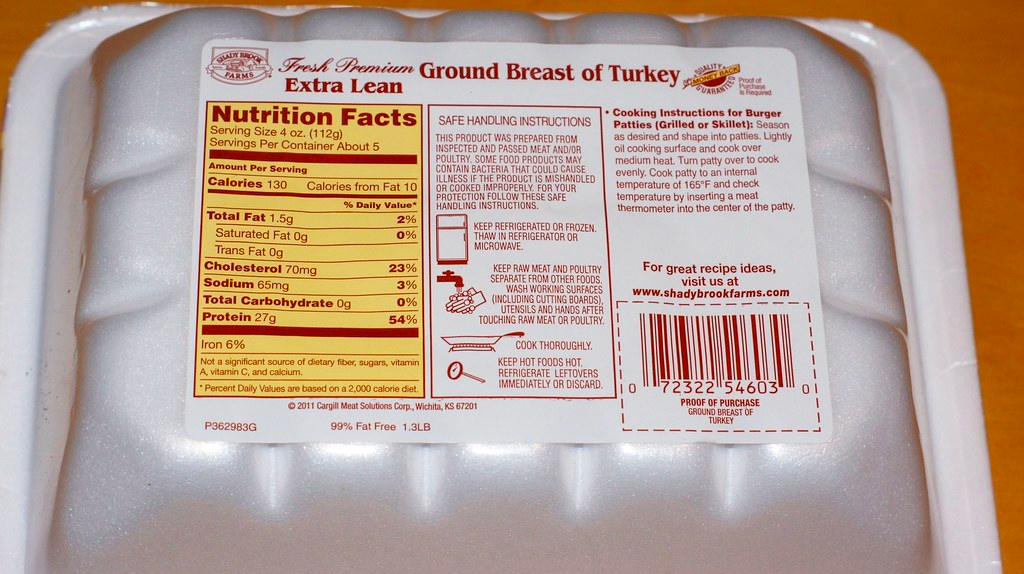

🩺 Quick Clinical Verdict: How Do You Truly Decode a Food Label in India?
Never trust front-of-package marketing slogans like “100% Natural”, “Zero Cholesterol”, or “Diet Snack”. In India, you must examine two mandatory sections on the back: the FSSAI Nutrition Facts Panel (per 100g vs. per serving) and the Descending Ingredients List (where ingredients are ordered from highest to lowest weight). Dr. Sumaiya’s Rule: If refined sugar, maltodextrin, or palm oil appears in the first 3 ingredients, the product is ultra-processed and will trigger rapid insulin spikes.
Walking down a supermarket aisle in India can be overwhelming. Brightly colored packages boast bold health promises—”Made with Real Fruit,” “Heart Healthy,” “Rich in Multigrains,” and “No Added Sugar.” However, when clinical dietitians analyze the back of these boxes, they frequently discover massive amounts of hidden refined sugars, hydrogenated palm oils, artificial emulsifiers, and excess sodium. Learning to decode food labels is one of the most vital life skills for reversing Type 2 Diabetes, Fatty Liver, and Cardiovascular Disease.
Clinical Nutrition Matrix: Front-of-Package Marketing Claims vs. The Hidden Reality
Understanding what popular food marketing claims actually mean in clinical nutritional science:
| Front-of-Package Claim | What Consumers Assume | What the Ingredients List Reveals | Clinical & Metabolic Impact |
|---|---|---|---|
| “No Added Sugar” | The product is sugar-free and safe for diabetes | Packed with concentrated fruit juice concentrates, maltodextrin, date paste, or high-glycemic starches | Triggers severe postprandial glucose surges and stimulates hepatic de novo lipogenesis (fatty liver). |
| “Zero Cholesterol / Heart Healthy” | The food is completely healthy for your arteries | Plant foods naturally contain zero cholesterol; however, the product is often loaded with refined palm olein and trans fats | Industrial seed oils and trans fats elevate atherogenic ApoB and small dense LDL particles. |
| “100% Real Fruit Juice” | Equivalent to eating fresh whole fruit | All natural dietary fruit fiber has been mechanically stripped away, leaving pure liquid fructose and glucose | Rapidly absorbed liquid sugar overwhelms the liver’s capacity, spiking uric acid and triglycerides. |
| “Multigrain / Made with Whole Wheat” | Made 100% from nutritious whole grains | Contains 90% refined maida flour with only 5% to 10% whole grain dusting added for marketing | High glycemic index drives rapid hunger, sugar crashes, and abdominal fat accumulation. |
| “Diet / Fat-Free Snack” | Low calorie and ideal for weight loss | Fat is removed and replaced with high amounts of sodium, starch, and artificial thickeners to maintain taste | Lack of healthy dietary fats causes zero satiety, leading to overeating within an hour. |
The 4-Step Food Label Audit for Indian Consumers
1. Check Serving Size
Manufacturers often manipulate numbers by listing nutrition for an unrealistically tiny portion (e.g. 15g in a 100g pack).
2. Spot 50+ Names of Sugar
Watch out for maltodextrin, invert syrup, dextrose, agave, fruit puree, and corn syrup solids in the list.
3. Inspect Fat & Oil Source
Avoid items containing “hydrogenated vegetable fats”, “fractionated palm olein”, or “interesterified fats”.
4. Top 3 Ingredients Rule
Ingredients are legally listed by descending weight. The first 3 ingredients represent over 70% of the product.
Dr. Sumaiya’s 4 Rules for Navigating Food Labels in India
1. Calculate Net Carbohydrates for Blood Sugar Control
Do not just look at “Total Carbohydrates.” Look for the dietary fiber content. Net Carbohydrates = Total Carbohydrates – Dietary Fiber. Fiber slows glucose absorption in the small intestine. If a processed snack has 30g of total carbs and only 0.5g of fiber, it will cause an immediate insulin spike similar to eating table sugar.
2. Beware the “Zero Trans Fat” Legal Loophole
Under FSSAI food regulations, if a product contains less than 0.2 grams of trans fat per serving, manufacturers are legally permitted to claim “0g Trans Fat” on the front panel. If you consume multiple servings of foods containing partially hydrogenated vegetable oils, you accumulate dangerous amounts of artery-damaging trans fats. Always check the ingredients list for the word “hydrogenated.”
3. Watch the Sodium-to-Calorie Ratio
High dietary sodium stiffens arterial walls and causes fluid retention, accelerating hypertension. As a clinical rule, look for packaged foods where the sodium content (in milligrams) is less than or equal to the total calories per serving (e.g. if a serving has 150 calories, sodium should ideally be under 150mg).
4. Avoid Ultra-Processed Emulsifiers and Thickeners
Chemical food additives—such as carboxymethylcellulose (CMC), polysorbate-80, carrageenan, and artificial gums—are used to extend shelf life. Clinical gastroenterology studies demonstrate that these synthetic emulsifiers erode the protective mucus lining of the gut, causing increased intestinal permeability (“leaky gut”) and low-grade systemic inflammation.
Take the Guesswork Out of Healthy Grocery Shopping
Confused by misleading supermarket food labels? Consult Dr. Sumaiya Petiwala for a personalized Medical Nutrition Therapy plan with customized grocery shopping lists built around 100% wholesome Indian home food.
- Comprehensive Dietary & Biomarker Audit: Medical analysis of your blood chemistry (HbA1c, Fasting Insulin, LFT, Lipid panel) and pantry audit.
- Personalized Clean Indian Meal Prescription: A structured home meal plan using wholesome, non-processed local ingredients and authentic recipes.
- Weekly Doctor Supervision: Step-by-step guidance on label reading, restaurant dining, and sustainable habit formation for lifelong disease remission.
In-Clinic at Frazer Town, Bengaluru & Telehealth Pan-India / Globally | WhatsApp: +91 7208660987