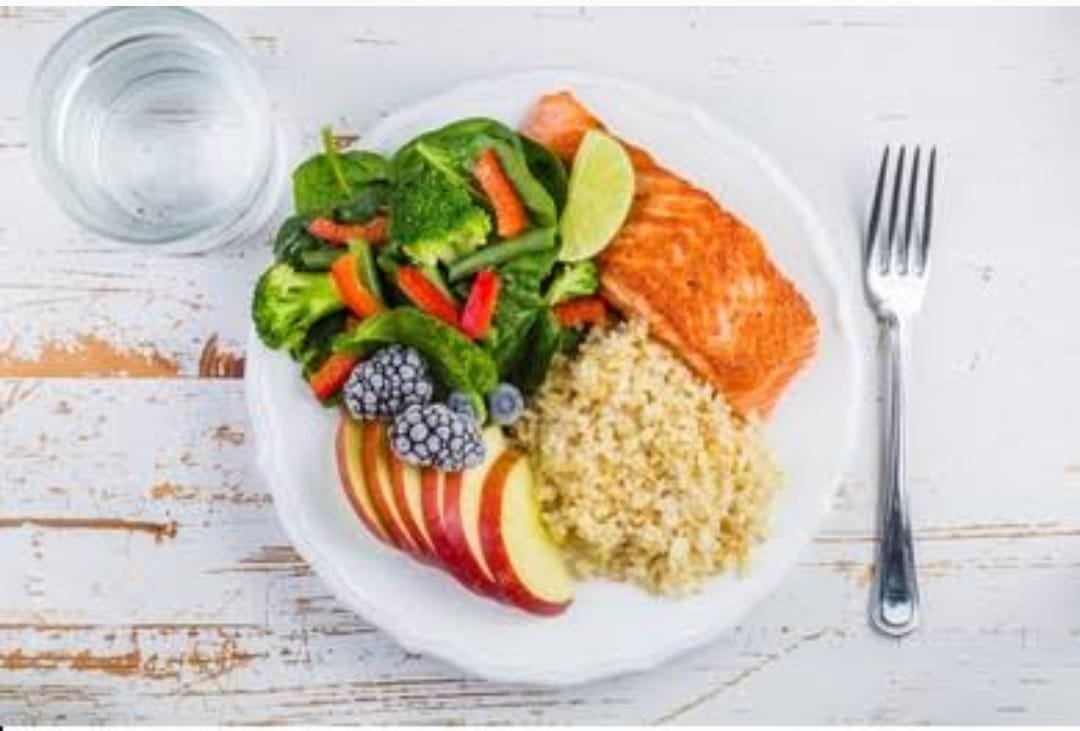
Start with a serving or two of whole grains like rolled oats, whole wheat, whole millets, quinoa, Whole grains are a good source of complex carbohydrates, which can give you sustained energy throughout the day.
Include good quality protein like eggs, curd, milk and lean meats. Protein keeps you full and satisfied till your next meal.
Include 1-2 servings of fruits and vegetables like fresh berries, carrots, cabbage, capsicum etc to get essential vitamins and minerals.
Avoid sugars and simple carbs like ready to eat cereals, white breads, sugary drinks etc.
Drink a glass of water.
Don’t skip your breakfast. Having a wholesome and healthy breakfast is a key to prevent many diseases and remain healthy. For a personalized diet plan, call or whatsapp me at 7208660987.
Frequently Asked Questions
1. Which flour is best for managing blood sugar and diabetes?
Ancient whole-grain flours like Emmer (Khapli) wheat, Jowar (sorghum), and Bajra (pearl millet) have higher dietary fiber, lower glycemic index, and complex starch structures compared to modern hybridized dwarf wheat.
2. Can diabetic patients safely eat rotis every day?
Yes, when made from 100% whole unpolished grain flours (like Khapli or millet-blend flours), cooked with minimal fat, and consumed in proper sequence after fresh salads and dal/protein.
3. How does milling and processing affect flour's glycemic index?
Fine industrial milling ruptures starch granules, causing rapid enzymatic digestion and blood sugar spikes. Stone-ground (chakki) flour with intact coarse bran retains a lower glycemic response.
About this guide
This guide provides general health information. Your own care depends on your medical history and circumstances. Speak with your treating clinician before changing medicines or treatment.
Read our medical disclaimer

About the author
Dr Sumaiya Petiwala
Dr. Sumaiya Petiwala, RD, BUMS, CDE is a licensed Clinical Physician, Registered Dietitian, and Certified Diabetes Educator with 18+ years of clinical experience and 80,000+ patient transformations. She specializes in evidence-based Medical Nutrition Therapy (MNT), root-cause Type 2 Diabetes reversal, metabolic fat loss, PCOS management, and fatty liver (MASLD) recovery.
More about Dr Sumaiya Petiwala →Looking for a Personalized Clinical Nutrition Protocol?
Managing your health requires addressing your unique metabolic biomarkers, digestive transit, and root causes. Dr. Sumaiya provides individualized medical nutrition therapy tailored to your lifestyle.
Our 3-Step Medical Correction Process:- Comprehensive Blood & Biomarker Audit (HbA1c, Fasting Insulin, Lipid Ratios, Thyroid/Liver)
- Root-Cause Metabolic Mapping & Dietary Assessment
- 100% Customized Indian Meal Protocol with Continuous Weekly Monitoring
Opens WhatsApp. Your appointment is confirmed by the clinic.