

Medically Verified & Evidence-Based | Authored by Dr. Sumaiya Petiwala, RD, BUMS, CDE (Registered Clinical Dietitian & Metabolic Health Specialist) | Aligned with ICMR-NIN Clinical Standards | Last Updated: October 2026
Food drying is an ancient way to keep food safe. From sun-dried methi and amla to electric dryers, drying cuts moisture. But does drying harm vital vitamins? At Dr. Sumaiya NutriCare Clinic, we explain the science of dried foods. We teach you how to eat them safely without blood sugar spikes.
What Is Food Dehydration and Does It Destroy Key Nutrients?
Direct Clinical Answer: Food drying removes water to halt bacteria while keeping minerals and fiber intact. Gentle drying saves iron, calcium, and plant nutrients. But fragile vitamin C drops by 30 to 50 percent. Dried fruits pack dense natural sugar. They need strict portion limits for diabetes and weight loss.
Nutrient Retention: What Stays and What Is Lost in Drying
Different nutrients react differently when water is removed from plant cells:
- 1. Plant Fiber Stays Intact. Soluble and insoluble fibers do not break down during drying. Dried vegetables and fruits supply dense roughage. This feeds good gut microbes with prebiotic (plant fibers that nourish good gut bacteria) food.
- 2. Minerals Become Dense. Key minerals like iron, potassium, and calcium survive heat. Removing water makes them dense per gram. For example, sun-dried curry leaves supply rich iron.
- 3. Plant Nutrients Survive. Many natural plant colors and herbs survive mild heat. They keep antioxidant (plant defense compounds that protect gut lining) power to guard your cells.
- 4. Fragile Vitamins Drop. Vitamin C and thiamine are delicate. Heat and air break down 30 to 50 percent of vitamin C. Keep drying heat low to save nutrients.
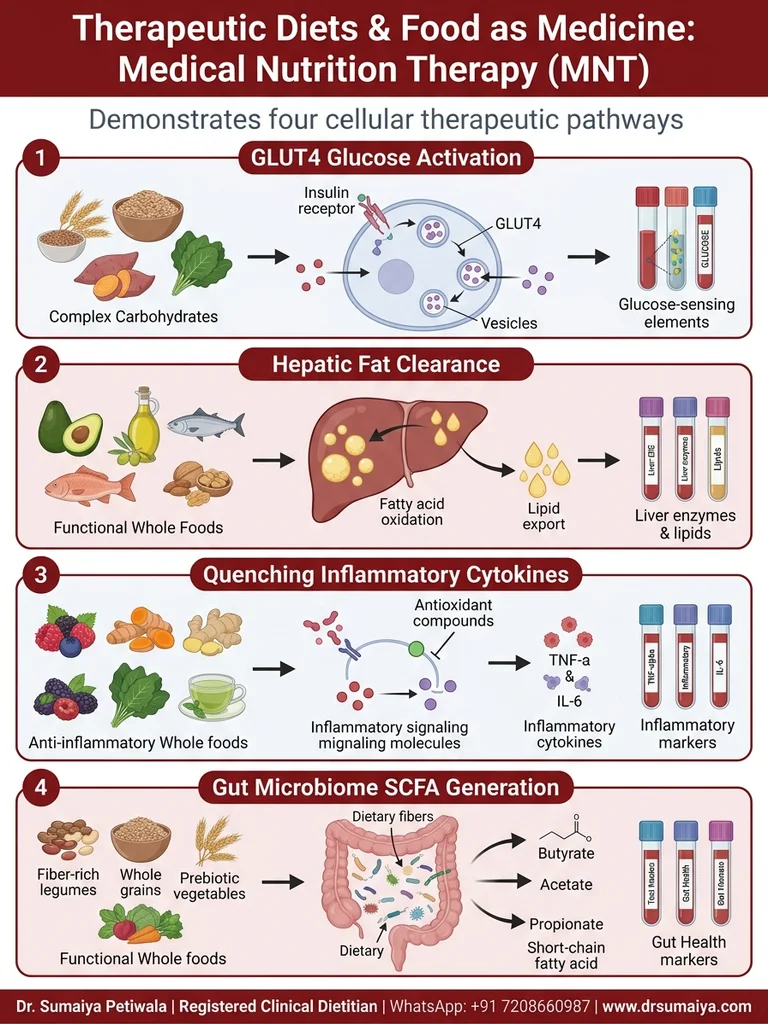
📊 Clinical Food as Medicine: Preserving Nutrient Density, Fiber & Metabolic Vitality.
The Sugar Trap: Why Dried Fruits Demand Strict Portions
The biggest clinical concern with dehydrated food is sugar density:
- Shrinking Size, Dense Sugar. Fresh grapes hold 80 percent water. When dried into raisins, five grapes shrink to one spoonful. But the total sugar stays the same. It is easy to eat too much in minutes.
- Fast Blood Sugar Rise. Dried fruits carry a high glycemic index (a scale measuring how fast foods raise blood sugar). In large bowls, they carry a high glycemic load (a ranking system for carbohydrate content and blood sugar impact). This causes sharp postprandial (occurring after a meal) sugar jumps.
- Store Sugars and Chemical Preservatives. Packaged dried fruits often contain added cane sugar and sulfites. These trigger gut upset. Pick clean, unsweetened home-dried foods instead.
How Smart Food Preservation Protects Metabolic Health
Using nutrient-dense dehydrated foods protects your primary metabolic organs:
- Blood Sugar Control. Low-carb dried vegetables curb sugar spikes. This stops insulin resistance (where cells do not absorb glucose well). It blocks buildup of visceral fat (deep belly fat packed around internal organs). Over time, this keeps HbA1c (a 3-month average of blood sugar levels) in safe zones. It also lowers fasting insulin (a morning blood test measuring baseline insulin levels).
- Liver Protection. Snacking on dried veggie chips guards against fatty liver (a condition where fat builds up inside liver cells) and NAFLD (non-alcoholic fatty liver disease, a condition with excess liver fat). It keeps SGPT (a liver enzyme showing hepatic irritation) and SGOT (a liver enzyme released during cell damage) normal. It also keeps blood triglycerides (blood fats tied to insulin levels) low.
- Water Balance and Kidneys. Dried foods lack moisture. Always drink water when eating dried snacks. This helps your kidneys clear uric acid (a natural waste product from protein digestion) with ease.
- Hormone Support. Herbs like dried moringa and amla cool systemic inflammation (cellular immune stress that harms tissues). They support your thyroid (the neck gland that controls how fast your body burns energy), tracked by TSH (a blood test that checks your thyroid pace). They also help cycle rhythm in women with PCOS (polycystic ovary syndrome, a hormonal imbalance).
Comparison: Fresh Foods vs Home Dehydrated vs Commercial Dried
See how different preparation methods compare in clinical nutrition:
| Nutritional Metric | Fresh Whole Food | Home Dehydrated Food | Commercial Packaged |
|---|---|---|---|
| Water Content | 75 to 95 percent. Highly hydrating. | 5 to 15 percent moisture. Concentrated. | Variable moisture with preservatives. |
| Vitamin C Level | 100 percent intact. Peak freshness. | 50 to 70 percent retained. | Heavily degraded by factory heat. |
| Fiber & Minerals | Standard density per serving. | Highly concentrated per gram. | Diluted by added sugar syrups. |
| Chemical Additives | Zero additives. Pure whole food. | Zero additives. Clean and natural. | Sulfites, sulfur dioxide, artificial colors. |
Optimize Your Daily Nutrition with Doctor-Led Plans
Confused about portions for dried fruits and home meals? Get a custom Indian nutrition plan for your goals. Consult Dr. Sumaiya Petiwala today.
Book Clinical Consultation on WhatsApp →The 50/25/25 Indian Plate Rule with Preserved Foods
Incorporate dried herbs and vegetables wisely with this balanced plate formula:
- 50% High-Fiber Vegetables. Fill half your plate with fresh greens, cucumbers, and carrots. Garnish with dried kasuri methi or dried tomatoes. These add aroma and antioxidant (plant defense compounds that protect gut lining) shield.
- 25% Clean Protein First. Eat your protein first at each meal. Choose paneer, boiled eggs, curd, or sprouted dal. Eating protein first slows sugar uptake.
- 25% Whole Grains. Finish with whole jowar roti, ragi, or brown rice. Keep grain portions modest to prevent sugar surges.
Enjoy a bowl of fresh home curd with roasted jeera after meals. It gives probiotic (live good bacteria that aid digestion) cultures for smooth digestion.
The Dr. Sumaiya 3-Step Medical Correction Process
At Dr. Sumaiya NutriCare Clinic, we guide you through three clear stages of healing:
- Step 1: Biomarker Evaluation. We review blood sugars, fasting insulin, and liver health. This sets your exact nutrient targets.
- Step 2: Custom Indian Nutrition Plan. We create a simple home meal plan with fresh groceries and herbs.
- Step 3: Continuous Doctor Monitoring. We track your energy, digestive health, and body weight weekly.
🌟 Transform Your Health Today
Takes only 60 seconds to get personalized clinical insights.
"Lost 4kgs in one month... plans are simple and effective! She
responds to queries promptly."
– Payal J.
Frequently Asked Questions About Food Dehydration
Does dehydrating food destroy all of its vitamins?
No. Dehydration preserves minerals, fiber, and most antioxidants. Only heat-sensitive vitamin C and some B vitamins decrease by 30 to 50 percent during warm drying.
Are dried fruits safe for people with diabetes?
Dried fruits concentrate natural sugars and have a high glycemic density. Diabetics should limit servings to 15 grams and pair them with nuts or seeds to slow glucose uptake.
What are the best Indian foods to dehydrate at home?
Kasuri methi, mint leaves, curry leaves, moringa, amla slices, and tomatoes dry wonderfully. They provide concentrated flavor and minerals without added salt or sugar.
Why are commercial dried fruits often unhealthy?
Commercial brands frequently add high-fructose corn syrup and chemical sulfur dioxide to extend shelf life. These chemicals can trigger gut irritation and sugar spikes.
How long do home-dehydrated foods stay fresh?
When stored in airtight glass containers away from heat and sunlight, properly dried herbs and vegetables stay fresh and safe for 6 to 12 months.
About this guide
This guide provides general health information. Your own care depends on your medical history and circumstances. Speak with your treating clinician before changing medicines or treatment.