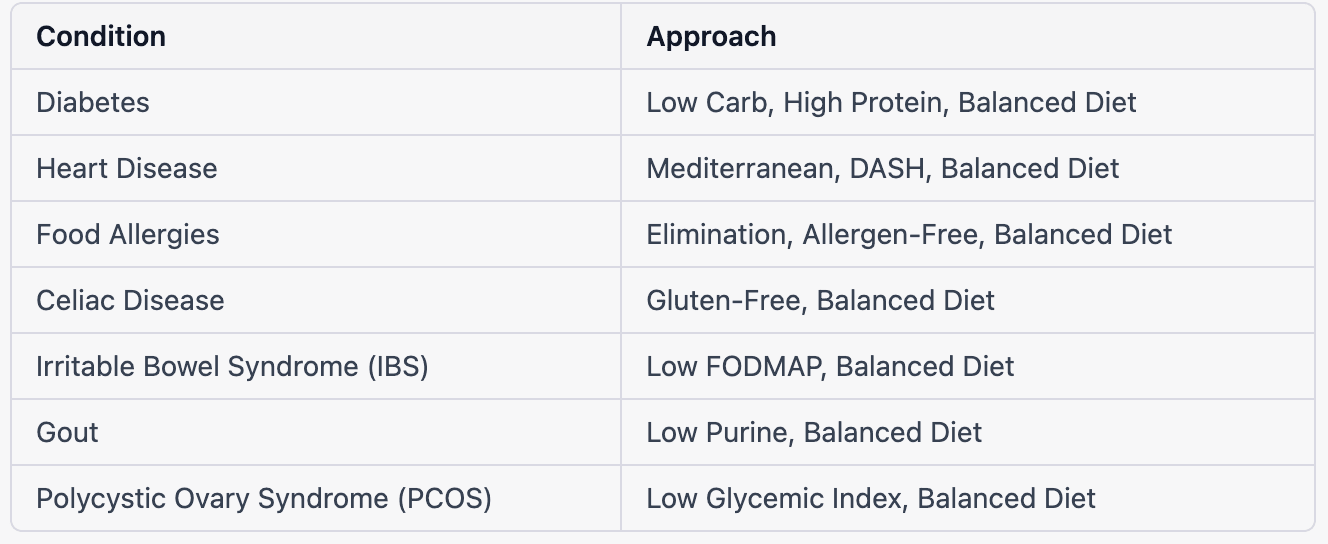
Dietary concerns or conditions can have a significant impact on overall health and well-being. It is important to have accurate and up-to-date information on these conditions and how they can be managed through proper nutrition. In this article, we will provide detailed tips on specific dietary concerns or conditions, such as diabetes, heart disease, and food allergies, and compare various approaches in a tabular form summary.
Diabetes
Diabetes is a condition where the body is unable to properly regulate blood sugar levels. Proper nutrition is an important aspect of managing diabetes and can help keep blood sugar levels in check. Some tips for managing diabetes through nutrition include:
Choose nutrient-dense foods over processed or sugary foods
Limit intake of added sugars
Incorporate fiber-rich foods such as fruits, vegetables, and whole grains
Eat frequent, small meals throughout the day to help regulate blood sugar levels
Consult with a healthcare professional or registered dietitian for personalized nutrition recommendations
Heart Disease
Heart disease is a leading cause of death worldwide and can be influenced by various factors, including diet. Proper nutrition can help reduce the risk of heart disease and manage existing heart conditions. Some tips for heart-healthy eating include:
Choose foods that are low in saturated and trans fats, cholesterol, and sodium
Incorporate fiber-rich foods such as fruits, vegetables, and whole grains
Eat lean proteins such as chicken, fish, and plant-based sources
Limit intake of added sugars and processed foods
Consult with a healthcare professional or registered dietitian for personalized nutrition recommendations
Food Allergies
Food allergies can range from mild to severe and can be triggered by certain foods. Proper nutrition is important for managing food allergies and avoiding reactions. Some tips for managing food allergies include:
Avoiding the allergen(s) that trigger reactions
Reading ingredient labels carefully to identify allergens
Substituting allergens with safe alternatives
Consulting with a healthcare professional or registered dietitian for personalized nutrition recommendations
Celiac Disease
Celiac disease is an autoimmune disorder that is triggered by the consumption of gluten, a protein found in wheat, barley, and rye. Proper nutrition is important for managing celiac disease and avoiding symptoms such as abdominal pain, diarrhea, and weight loss. Some tips for managing celiac disease through nutrition include:
Avoiding foods that contain gluten
Choosing gluten-free alternatives such as rice, quinoa, and beans
Reading ingredient labels carefully to identify hidden sources of gluten
Consulting with a healthcare professional or registered dietitian for personalized nutrition recommendations
Irritable Bowel Syndrome (IBS)
Irritable bowel syndrome (IBS) is a common gastrointestinal disorder that can cause symptoms such as abdominal pain, bloating, and diarrhea. Proper nutrition can help manage IBS and reduce symptoms. Some tips for managing IBS through nutrition include:
Choosing fiber-rich foods such as fruits, vegetables, and whole grains
Limiting intake of foods that may trigger symptoms such as caffeine, alcohol, and high-fat foods
Eating frequent, small meals throughout the day to help regulate digestion
Consulting with a healthcare professional or registered dietitian for personalized nutrition recommendations
In summary, specific dietary concerns or conditions can have a significant impact on overall health and well-being. It is important to have accurate and up-to-date information on these conditions and how they can be managed through proper nutrition. Consulting with a registered dietitian can provide personalized nutrition recommendations to help manage these conditions and maintain overall health.
Consult with me! :
My name is Dr. Sumaiya Petiwala, and I am a registered dietitian cum doctor. I am passionate about helping individuals improve their health through proper nutrition and lifestyle changes. With my dual qualification, I am able to provide both medical and nutritional guidance to my clients, ensuring they receive comprehensive and holistic care. I am excited to help individuals achieve their health and wellness goals. I work closely with clients to create personalized nutrition plans that are tailored to their unique needs and goals. Whether you are looking to lose weight, manage a medical condition, or simply improve your overall health, I am here to help you reach your goals. Thank you for trusting me to guide you on your journey to better health.
Fill my online patient history form to get started NOW:
Frequently Asked Questions
About this guide
This guide provides general health information. Your own care depends on your medical history and circumstances. Speak with your treating clinician before changing medicines or treatment.