
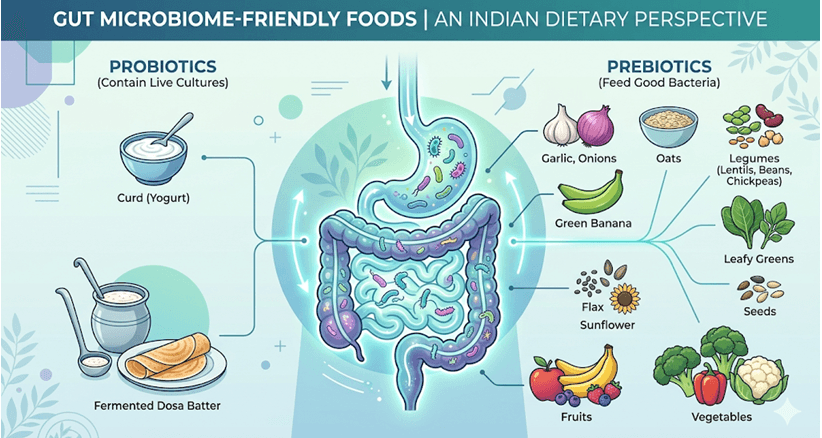
5 Approaches to Healthy Weight Gain: Which One is Right for You?

5 Approaches to Healthy Weight Gain: Which One is Right for You?

  1. Eat enough calories: It is important to consume enough calories to support weight gain. The number of calories needed will vary based on age, gender, height, weight, and activity level. A registered dietitian can help determine the appropriate number of calories for weight gain.

  2. Choose nutrient-dense foods: While it is important to consume enough calories, it is also important to choose nutrient-dense foods that provide a variety of vitamins, minerals, and other nutrients. Some examples of nutrient-dense foods include fruits, vegetables, lean proteins, whole grains, and healthy fats.

  3. Incorporate strength training: Building muscle mass through strength training can help with weight gain. Aim for at least two strength training sessions per week, focusing on different muscle groups each time.

  4. Eat frequent, small meals: Instead of three large meals per day, consider eating smaller, more frequent meals throughout the day. This can help increase calorie intake and provide a steady stream of nutrients.

  5. Stay hydrated: Drinking plenty of water is important for overall health and can also help with weight gain. Aim for at least 8-8 ounces of water per day.

  6. Consult with me! : My name is Dr. Sumaiya Petiwala, and I am a registered dietitian cum doctor. I am passionate about helping individuals improve their health through proper nutrition and lifestyle changes. With my dual qualification, I am able to provide both medical and nutritional guidance to my clients, ensuring they receive comprehensive and holistic care. I am excited to help individuals achieve their health and wellness goals.

Fill my online patient history form to get started NOW:


Eat enough calories: It is important to consume enough calories to support weight gain. The number of calories needed will vary based on age, gender, height, weight, and activity level. A registered dietitian can help determine the appropriate number of calories for weight gain.  Choose nutrient-dense foods: While it is important to consume enough calories, it is also important to choose nutrient-dense foods that provide a variety of vitamins, minerals, and other nutrients. Some examples of nutrient-dense foods include fruits, vegetables, lean proteins, whole grains, and healthy fats.  Incorporate strength training: Building muscle mass through strength training can help with weight gain. Aim for at least two strength training sessions per week, focusing on different muscle groups each time.  Eat frequent, small meals: Instead of three large meals per day, consider eating smaller, more frequent meals throughout the day. This can help increase calorie intake and provide a steady stream of nutrients.  Stay hydrated: Drinking plenty of water is important for overall health and can also help with weight gain. Aim for at least 8-8 ounces of water per day.  Consult with a healthcare professional: It is always a good idea to consult with a healthcare professional or regis
tered dietitian for personalized nutrition recommendations. They can help determine the appropriate number of calories and nutrients needed for healthy weight gain.
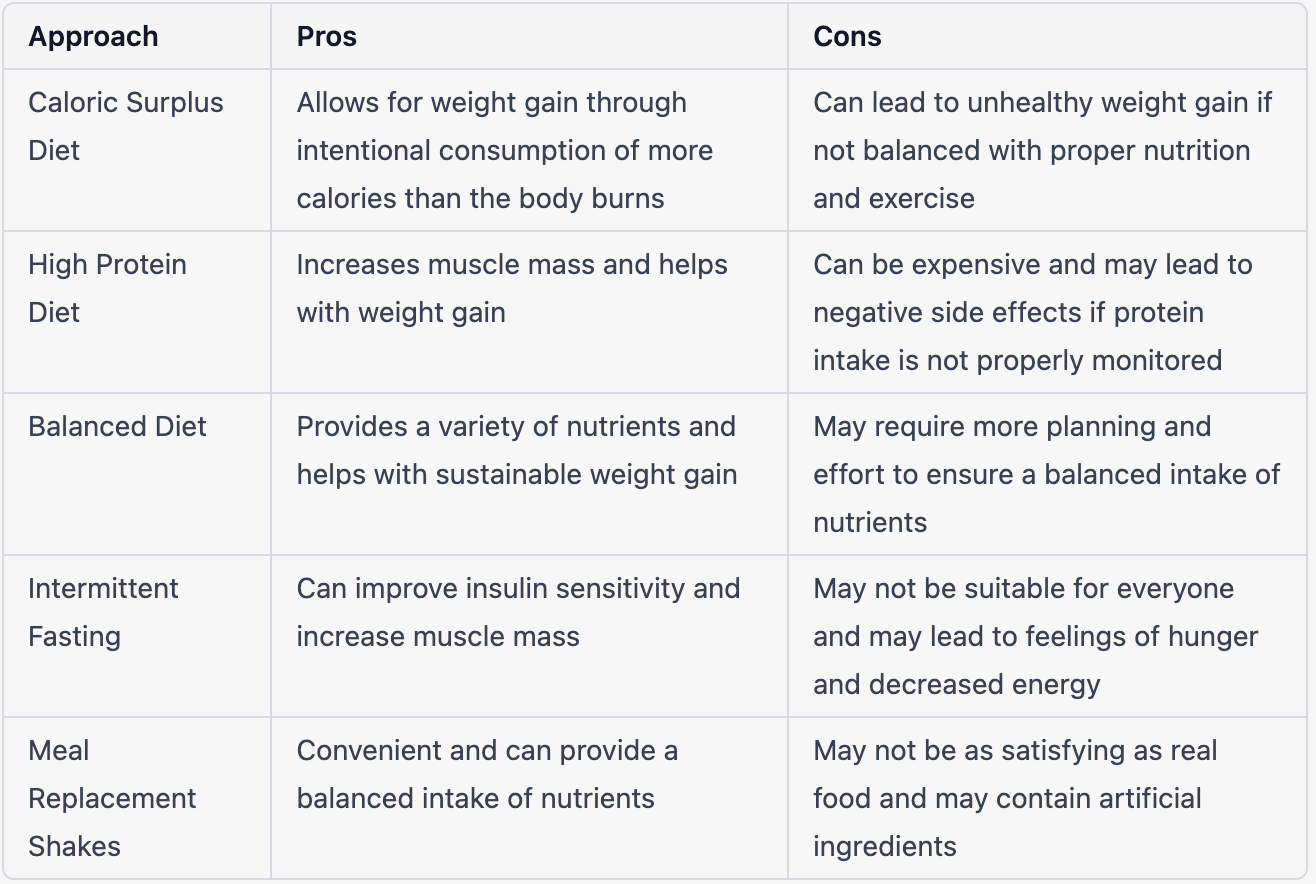
Comparison of Approaches

Looking for a Personalized Clinical Nutrition Protocol?

Managing your health requires addressing your unique metabolic biomarkers, digestive transit, and root causes. Dr. Sumaiya provides individualized medical nutrition therapy tailored to your lifestyle.

Our 3-Step Medical Correction Process:
  1. Comprehensive Blood & Biomarker Audit (HbA1c, Fasting Insulin, Lipid Ratios, Thyroid/Liver)
  2. Root-Cause Metabolic Mapping & Dietary Assessment
  3. 100% Customized Indian Meal Protocol with Continuous Weekly Monitoring
💬 Book Consultation via WhatsApp

In-Clinic at Frazer Town, Bengaluru & Telehealth Pan-India / Globally | Call/WhatsApp: +91 7208660987

Frequently Asked Questions

1. What is the difference between a Registered Dietitian (RD) and a general nutritionist?
A Registered Dietitian (RD) is a medically credentialed healthcare professional with standardized university training, clinical internship, and licensing to practice Medical Nutrition Therapy (MNT). Generic 'nutritionists' often lack clinical training in disease management.
2. How does a doctor-led diet plan differ from generic internet diet charts?
Doctor-led clinical nutrition integrates your medical history, kidney/liver lab panels, hormonal balance, and medication interactions, ensuring safe, sustainable disease reversal rather than short-term weight fluctuations.
3. What should I expect during my initial clinical nutrition consultation with Dr. Sumaiya?
A complete 360-degree review of your recent blood reports, dietary habits, metabolic rate, daily routine, and personal goals, followed by a personalized Indian medical nutrition protocol and weekly follow-ups.

Medically Reviewed by Dr. Sumaiya

RD, CDE, General Physician (BUMS)

With over 18 years of experience and 80,000+ successful health transformations, Dr. Sumaiya combines medical expertise with nutritional science. As both a Registered Dietitian and qualified physician, she specializes in holistic health management through integrated medical nutrition therapy.

Learn More About Dr. Sumaiya